
Banking Transformed
Hosted by top 5 banking and fintech influencer, Jim Marous, Banking Transformed highlights the challenges facing the banking industry. Featuring some of the top minds in business, this podcast explores how financial institutions can prepare for the future of banking.


How Fintech NerdCon is Reimagining Banking Events
Today, I’m excited to welcome Colton Pond and Simon Taylor, the visionary co-founders of Fintech NerdCon to the Banking Transformed podcast. Fintech NerdCon is an event with no meetings, no sales booths … just top-tier networking with fintech operators and builders. It’s what happens when a fintech passion, Comic-Con energy, and genuine community building come together.
In this conversation, we’ll explore why they believe the fintech conference circuit needs disruption, how they’re creating a different kind of community experience, and what banks, fintechs, and ecosystem builders should focus on to succeed in the industry’s next phase.
In addition, they provide an inside look into what will make this event different from any the banking industry has ever experienced.
Where to Listen
Find us in your favorite podcast app.
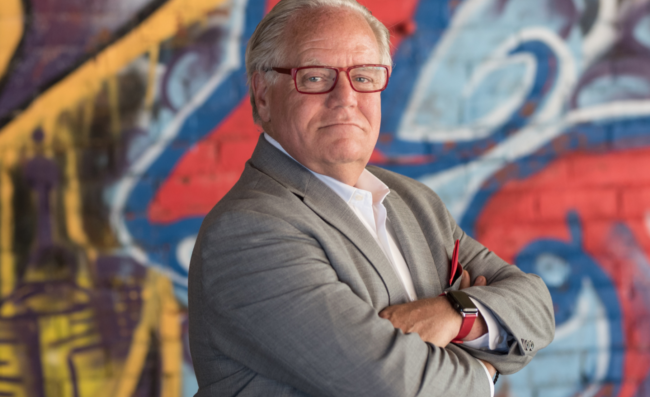

Jim Marous (00:12):
Welcome to Banking Transformed, the top podcast in retail banking. I'm your host, Jim Marous.
Jim Marous (00:17):
Today, I'm excited to welcome two friends of mine that have been on the show before, Colton Pond and Simon Taylor, the visionary co-founders of Fintech NerdCon. It's an event with no meetings, no sales booth, just top tier networking with fintech operators and builders. It's what happens when fintech passion, Comic-Con type of energy and a genuine community building mindset come together.
Jim Marous (00:43):
So, in this conversation, we're going to explore why they believe a fintech conference had to be built that was different than other ones, how they're creating a different kind of community experience, and what banks, fintechs, and ecosystem builders should focus on to succeed in the industry's next phase. So, Colton, Simon, thanks for being here again.
Jim Marous (01:05):
Colton, we just had you on recently on actually your event in the Bonneville Salt Flats, and Simon, I've had you on a couple times. We just saw each other in Riyadh at Money20/20 so it's great to see you both again.
Simon Taylor (01:18):
Lovely to see you, Jim. Hope you're keeping well my friend.
Jim Marous (01:20):
Yeah, I'm doing well. So, it's a big of a background. Fintech NerdCon is taking place on November 19th and 20th in Miami, and it's designed to bring together about a thousand senior fintech practitioners and a rather intimate content rich environment featuring keynotes, live podcasts, technical workshops, hackathons, failure therapy (we're going to get to that), round tables and interactive bootcamp.
Jim Marous (01:47):
So, let's start from the beginning: what was the aha moment for both of you that made you both realize that the fintech industry needed another type of conference, another fintech type meeting, and was there a specific event or experience that made you think, “We can do this just a little bit better and a little differently?”
Simon Taylor (02:07):
Yeah, I don't know about better but definitely differently. I think it's all Alex Johnson's fault. So, if you know Alex from Fintech Takes, he said something to me that I'd heard a few times, which is, you do the biannual pilgrimage to Vegas for various conferences, and they're good for sales, they're good for meeting people, but what's the one thing everybody remembers? They remember that dinner, they remember the happy hour, they remember the conversation by Starbucks.
Simon Taylor (02:37):
And I don't know if you ever saw the movie, A Night at the Roxbury, where the whole shtick is they make a nightclub where the outside is like the inside, and the inside is like the outside. Well, think about that but for conferences.
Simon Taylor (02:49):
What do people really enjoy? It was that great conversation you had with somebody, it was that person you met at the Starbucks, or at the coffee shop, or at the love sign – how do I make that the whole show?
Simon Taylor (03:01):
How do I make it the no platitudes, let's go deeper for the real community folks. And by sticking it in Miami, we're doing something on the East Coast, we're doing it right before Thanksgiving, this is the way to cap off the conference season, and really consolidate what has been a wild, wild year in fintech.
Simon Taylor (03:20):
Stablecoins happened, AI is now a thing, and there are still customers that are just trying to struggle to adapt to day-to-day life and all of the pressures they have. But I wanted it to be open. Like this should be something where it's equally open to a small community bank or somebody pushing the boundaries at a startup because we learn from each other and we learn by doing.
Simon Taylor (03:44):
So, that was kind of the genesis, but I've never run a conference before. I have Fintech Brainfood and that sort of stuff. But this guy, Colton, has done a few conferences before the Salt Flats and knew a little bit about it, and then Joy Schwartz, who's the third co-founder used to run all of the events for Fintech Nexus.
Simon Taylor (04:03):
So, she is like a real pro when it comes to this stuff, has run more events than we've had hot dinners. And I went to them and said, "I've got this crazy idea." And Colton being the guy he is, he was like, "Let's go, man. That sounds awesome."
Jim Marous (04:18):
Funny you should say that because Colton to your point, I know that you've been kicking this can down the road for at least five years because I know you came to me and said, "We got to do something, we got to do something."
Jim Marous (04:31):
And for Simon to come up and to see you at a good time because you've been dying to do this. It's finding the time, as Simon said, to find the people to put together. This really is a culmination of what you've been trying to do in the marketplace for some time outside of, I'm going to call it your day job, but it's still part of the day job.
Colton Pond (04:53):
That's spot on. And I'm the kind of person who I read every single Brainfood article that Simon sends out. I go through Alex Johnson's Fintech Takes and I read all of them and I nerd out on them and I shoot him an email and I say, "Alex, this was awesome, this and this and this.” Do the same with Jason Mikula at Fintech Business Weekly and dive deep.
Colton Pond (05:12):
When Simon releases his end of year highlights of fintech, I read through them and (my team at LoanPro will know this) give my team at LoanPro a presentation of here's what happened in fintech in the past year.
Colton Pond (05:26):
And what I realized over the years is there are so many people like that that are so nerdy in fintech that they want to understand all the details and all the specifics, and none of the high levels sit on a panel about AI and us to prolificate on how AI's going to change the industry, actually dive into how is AI changing the industry, what is the future that's happening with stablecoin and other aspects that are influencing financial services.
Colton Pond (05:51):
And the marriage with Simon and Joy in creating Fintech NerdCon, and the name is perfect because we have had one of two responses on the name, either I absolutely, “Love the name Fintech NerdCon,” awesome and I'm like, “Great, that's our ICP” and other people are like, “Fintech NerdCon, how did you create the name?” And I'm like, “If you don't get Fintech NerdCon, then you're not part of our ICP, we are the operator conference built by operators for operators driving deep into the insights.”
Simon Taylor (06:21):
If you've had to deal with reconciliation issues, if you've had to sit in a room with an examiner, if you've had to deal with just the drudgery of actually getting stuff into production in this industry, then maybe this is for you, maybe this is going to be something that's a little bit different.
Simon Taylor (06:40):
Because a lot of people go to conferences because they have to, because they're useful, but how much did you learn there, and did you really go deeper with somebody or did that happen at the dinner afterwards? We wanted to create space for that, and I hope we have.
Jim Marous (06:53):
Well, it's interesting, Simon, I didn't think about it until you said it, was that, you're right, when I go to any event, the best and most meaningful conversations are the conversations that go on as you run into somebody you didn't expect to see in the hallway or something that wasn't planned, and it'll be interesting to see how this whole conference goes when you're not having to do the elevator pitch.
Jim Marous (07:18):
It's going to be interesting because you've made it a no meetings, no sales booth core promise, which really makes it so it's going to be the people that build this stuff, talking to each other going, "Oh, by the way, have you ever come across this challenge?" And some of the challenges is actually the financial services industry itself. So, it's obviously a pretty radical shift from a traditional conference model. Can you explain a little bit-
Simon Taylor (07:43):
Let me give you a walkthrough of what you can expect because you're going to walk in the door through registration, and then you hopefully have selected your guild, something that you want to be involved in, and we're just going to suggest a bunch of content for you.
Simon Taylor (07:56):
We have a main stage that sits about 450 people. and we're putting on the highlight reel of what we believe are some of the most interesting in-depth conversations you can have in the industry. Like with the co-founder of NewBank, can they really crack America? With the new CEO of Opendoor? How the heck are you going to reinvent real estate? How's that possible?
Simon Taylor (08:19):
You are the former COO of Shopify, you've got some creds, but is this really going to happen? Or with the CTO of Wise, “Hey, you've done everything in cross-border, you said no, no, no to stablecoins and now you're adopting them, what changed, man?” Those are our types of conversation, like really raw, really real conversations.
Simon Taylor (08:37):
But we've also got some demos. And so, Colton's going to be leading this. Thanks to LoanPro, we've got a demo stage where people are going to actually be showing, “This is how you solve a problem.” Not like, “This is how our product works, no, this is how …”
Jim Marous (08:54):
Exactly, not our product but what's behind the scene.
Simon Taylor (08:58):
Like, “Hey, I'm really, really stuck on reconciliation from this type of problem, here's how you fix that or here's how you make sure that da, da, da, da.” Like we have briefed everybody doing the demo that if you do a pitch, then you don't get to come back next year, it's not allowed, this is about solving a problem.
Simon Taylor (09:15):
And then we have everything. So, Plada doing a half day vibe codeathon. So, there's always something you've wanted to build, here's four hours with just some of the best people, some of the best tools, let's just go build that thing and try and solve a problem together.
Jim Marous (09:34):
It's interesting, Simon, you mentioned about the hackathon, the buildathon, you're going to be doing this with people that have actually done it before as opposed to picking students from the university and trying to create something in an industry that they're not familiar with.
Jim Marous (09:47):
These people are going to be building something knowing what is broken in their organization before, or maybe sharing within each other, “Oh geez, you don't want to go down that path. We did that when we were building, and it didn't come out really good.”
Simon Taylor (10:01):
And that's the key point, like is the peer learning from each other. Somebody asked me the question; “How do you do code security reviews when 95% of your code was generated by AI?” Everybody talks about wanting AI code gen tools, but what does code security review look like if it's generated code? That is the classic example of the type of thing that we're really getting practical about because that's the kind of thing you need to do before this stuff can go to production.
Simon Taylor (10:30):
And look, there's also the Chief AI Officer at Chime, Dennis he's going to do like a full 90-minute session on how he's using AI inside of Chime today. Where do you go to get that kind of learning? If I'm in a financial institution, where do I get 90 minutes with Dennis to see what's working for him? And then where do we go and have that conversation afterwards about what's working for each other?
Simon Taylor (10:57):
If I could clone myself, that's where I'd want to be is really dealing with the operators, having these conversations. And we've set up countless round tables, I mean 25 different round tables on these subtopics, and what we're doing is we're only running the main stage from sort of 8:45 through to midday, then we're switching it off.
Simon Taylor (11:18):
There will be no main stage content, there will only be side stage or some main quest and side quests. You spent the whole afternoon doing side quests, you are just running around getting EXP, just trying to learn about the industry network. We do have networking spaces, so yeah, no meetings because I don't know about you, but my diary gets kind of nuts in these things.
Simon Taylor (11:41):
I wanted to create a space in which all of the meetings you had were organic, that you would bump into somebody that maybe you didn't know that well, and how could we create that space?
Simon Taylor (11:51):
So, I created two lounges; one's the introvert lounge, which sometimes you just need to sit and be left alone by yourself, and hello. I quite like that occasionally, I like to go be a hermit. And if you want to be that, then just go decompress for a little while, we’ve got a nice, relaxing space for you. Take a work call if you have to.
Jim Marous (12:12):
I don't want to see both you there because you're overwhelmed already. I don't want to see you guys in the introvert lounge, I'll tell you that.
Simon Taylor (12:18):
Then there's the extrovert lounge, and that's the one way you're going to see Colton, for sure, he's going to be running that thing. But that's like, hey, if I'm standing here, then I want to chat with somebody that I never met before, and I'm just keen to have a conversation, and I think that is where some real magic might happen.
Simon Taylor (12:38):
Some companies might be born, you might meet your next great hire. Because if you think about Fintech NerdCon, who's the person that chooses to buy a ticket to this event? It's somebody who will crawl through glass, who cares about this subject weirdly enough to read about it on a Sunday, and then travel to be around these people. That person is your ideal next great hire, and so you want to be around these people. I really think you do.
Colton Pond (13:07):
Jim what's interesting about that, and Simon, I haven't run this past you and I'd love your thoughts here. If we think about what success looks like from Fintech NerdCon, to me, it's how many new companies were founded from an idea that they came up with at Fintech NerdCon, or how many people met their next co-founder at Fintech NerdCon?
Colton Pond (13:24):
Like how can we breed innovation in the right way to where we are all in a space sharing unique insights on what the future of financial services look like that create and cultivate innovation, to me, that's success which is fundamentally different from many conferences that exist out there.
Simon Taylor (13:42):
I also think success is that somebody met their next great hire, that somebody built a relationship with somebody they couldn't find at the other conferences. Do you know the amount of people who … there's like 1% of the industry that really runs the world, and when you meet them, you know. And they will all tell you, "Ah, yeah, I'm trying to avoid the conference circuit this year. Yeah, no, I've really got to focus in and get some work done." This is the place for them.
Simon Taylor (14:09):
And the promise to them is like well, I'm not going to surround you with salespeople, but the people who are smart enough to walk through this door are the ones that you might want to build a relationship with. And then maybe you guys can do business, but you'll do business on the premise that it solves a problem for you.
Simon Taylor (14:23):
So, if I was to just get purely commercial and look at it from a sponsor's perspective, I think we're giving them ROI, not just in terms of brand, but with the most influential people in the industry doing something meaningfully different.
Jim Marous (14:37):
Well, it's interesting too because you go to any other event, most other events, and you're going to get a lot of people that are the salespeople. I mean, nothing against Colton, but you're going to get Colton selling LoanPro as opposed to the person that developed LoanPro.
Jim Marous (14:53):
And that's not good or bad, it's just a different set of people, which makes it a very dynamic environment where they realize they don't have to do the elevator pitch, they don't have to sell the next person they see, they're going to be brainstorming with that person.
Jim Marous (15:07):
Or what will be really interesting is, and almost thinking with the next post you do after the event, Simon, is things I heard, the war stories I heard in the hallways because they'll be sharing war stories going, "Oh my God, you've had that problem trying to sell this to so and so." I mean, it's going to be some real interesting ones.
Jim Marous (15:30):
And it's interesting because I was thinking about the meeting where they're going to be building things, is I'm thinking maybe I want to go to that session to give a dynamic going, “Oh, here's by the way, the people you're trying to sell in most cases, if you're in this business to sell to the financial institutions or somewhere else, here's the things you're going to be up against that you may not or may already know.”
Jim Marous (15:53):
Because in the daily lives of these people, what are they trying to solve for? What is the one thing you may not be thinking? It's almost like a financial institution bringing in compliance at the end as opposed to the beginning. Let me get that out of the way as part of the building process. How do you make it so it actually sells as opposed to being just something really cool?
Simon Taylor (16:15):
I think that's the kind of insight I'm really, really looking forward to kind of people getting from it. It's like how do you learn 5, 10 years of industry context in just zap, just like that by putting the best people kind of around each other.
Simon Taylor (16:32):
My personal favorite session is called failure therapy and this is where we have folks that, for example, we have a company founder who had to close their company and let all of their staff go, and then go get a corporate job, talk about what that felt like and what they learned along the way, and how they got back up, and how they're now delivering some of the most impressive products for a large corporation in fintech, and they've materially transformed that business and the velocity that that product delivers with and that company delivers with.
Simon Taylor (17:09):
And so, this is just the kind of stuff that unless you know that person, you'd never get access to, and then here they are willing to do it, but they're only willing to do it in this stage at this time, that to me is wow.
Jim Marous (17:25):
Well, and it is crazy because it's also looking at another dynamic, which, you know, you look at some of the companies in the UK and what you don't know about banking. You guys both know that it's great to build these great solutions but if you don't build with a banker's mindset, it's going to have a hard time, and it's getting more and more difficult, or how do you get funding in today's world?
Colton Pond (17:54):
Simon in there, Jim, you know, I have a deep admiration for traditional banks and credit unions. So, one of the sessions we're doing is what fintechs can learn from traditional financial institutions where we're bringing an executive at BMO, an executive at SoFi, an executive at Chase to the table to say, "Hey, here's what you can learn from the other side too, that we're doing really well and we can work and collaborate together." Which is key to how we progress financial services moving forward is increased collaboration rather than separating fintech and banks and credit unions.
Jim Marous (18:25):
So, what has changed in the last month in the marketplace that may have changed your event a little bit? Because your event is not a, “Oh, we're going to have session, session, session, session about general stuff.” This is really on the road thinking. How do you know when to stop that changes of your mind on what the event's going to look like? But even more importantly, what has happened the last month or two months that you realize, “Geez, this really impacted our event and the way we're thinking about it?”
Simon Taylor (18:57):
Do you know, probably the biggest one was Nubank announcing they're coming to North America. I mean, this is a depository institution, this is like a full bank. This is not a neobank, this is a full bank that grew from almost no customers to 12 million customers in Mexico. So, never mind Brazil, where they have 117 million customers, this is a brand-new market and in about three years, they've gotten from 0 to 12.
Jim Marous (19:26):
And you know, and I know, and Colton definitely knows how few organizations in the United States know what NewBank is, knows what Revolut is, another one that's going to be coming to … I’m going to say “may” be finally coming to the US. We've heard these lines before, but the reality is it's a very tough marketplace, but it's not impossible.
Simon Taylor (19:46):
It's not impossible, and I would put it to you, Jim, that the thing that's interesting about NewBank is they're traded on the US stock exchange. So, there are a lot of investors and CEOs that have heard of them because this is one of the most best performing financial services stocks there is and the reason they perform so well might be the markets they're in and might be that they didn't have natural competition.
Simon Taylor (20:11):
But you speak to anybody from tech, and they'll tell you that's one of the best run technology businesses that you will ever see. And the best part about this is they publish all of their blogs and they're willing to kind of share some of this stuff, so you can learn a lot in the process. So, I'm really curious about that.
Simon Taylor (20:29):
The other thing that happened is there was a guy who was the COO of a company called Shopify, who then had already agreed to be a speaker, went and got a new job as the CEO of Opendoor, and then comes out and that was a big splash headline in the tech world. So, I think we have done well to just go out looking for people we thought were interesting and the timing and the things that have happened in the market have almost just happened to us. The stories have presented themselves as we’ve gotten closer to it.
Simon Taylor (21:06):
I already had agreement maybe six, seven months ago that the CTO of Wise, the cross-border remittance payments company who now partners with a lot of banks, by the way. I think they have ‘92, ‘95 banks as customers helping those banks, especially community banks, do cross border payments much more efficiently.
Simon Taylor (21:27):
We already had him signed up, and then what happens yesterday, news breaks that they're getting into stablecoins. The company that said they'd never do stablecoins is now doing them, and I already had this guy as one of my keynotes.
Simon Taylor (21:41):
So, the thing that's happened, Jim, is I think we've gotten really lucky by going after people we thought that were interesting, that might do interesting things, and they just happen to have gone and done interesting things. So, we can tell the story of what's happening in the market in real time, in really interesting ways, and we can adapt to it, and we can continue to adapt to it.
Jim Marous (22:03):
And the fluid structure of what you've developed here is that if anything changes in the next three weeks, it will be reflected in the event in a way that's very organic. I'm going to keep on getting back to organic. You look at the Comic-Con and you look at the way you're trying to make this … Colton man, you mastered the whole experience type of event just was out your Bonneville Salt Flats summit.
Jim Marous (22:29):
And you look at that, building in that way is both very difficult because it's like the mercury liquid on a linoleum floor, at the same time, it being so dynamic and your participants are in the same sense. As you said, you guys have mentioned, I think three or four companies that have completely changed since you started thinking about this event and that's because you're getting those kind of people involved.
Colton Pond (22:57):
And Jim, we thought about the content differently, like what I love about what Simon and we put together a content council of the leading thought leaders in the industry to be able to go out and say, "If you were to come to an event, who are the people you would just die to be there, that you would pay on your own dime if you needed to, to be able to go hear them speak.”
Colton Pond (23:18):
And we didn't reach out to people and say, "Pitch us on an idea, pitch us on what you want to speak to," we inversed it. We said, "We want you to speak and we will cultivate and we will create the topic."
Colton Pond (23:29):
So, it almost flipped the conference model on its head. People weren't bringing us proposals, we were going out to the market and saying, "We want you to speak." We curated the top speakers in the industry, and we said we sat down as a group and this person and this person, this person would be really interesting and individually they're great.
Colton Pond (23:49):
Together, the sum equals more or what they're going to bring equals more than some of the parts because they all have unique and different perspectives, which has allowed us to be a little bit more nimble on the topics and the content and what we're going to actually talk about, dig into it at Fintech NerdCon.
Jim Marous (24:04):
Let's take a short break here and recognize the sponsor of this podcast.
[Music Playing]
Jim Marous (24:11):
So, what is the area of financial services that you see probably right now as being the most dynamic? Is it payments? In a broad sense it includes stablecoin, I guess. Is it transactional? Is it experience? Is it credit? What do you see as the area right now that-
Simon Taylor (24:31):
You know what I can tell you, Jim, is I can see my open rate on my emails, and I can tell you that if I talk about embedded finance these days, eh, it'll do okay. If I talk about AI, it'll do pretty well, if I talk about stablecoins and how banks use stablecoins, bang, home run every single time. And I think every financial institution is trying to figure out how the heck they adapt.
Simon Taylor (24:57):
Because you're not going to be able to launch something tomorrow, you can see that the acquisitions are coming, just today Zelle announced that they're apparently going to go do something with cross-border and stablecoins.
Simon Taylor (25:10):
There's a lot of announcements. It's very hard to tell what's real, and so that's it, that's I think the topic at the moment is what's real, and what can I do with it, and how should I position myself accordingly? Are there ever going to be rules, like there are so many questions that kind of come from it. But then there are so many evergreen topics like how on earth does this get presented to a customer? Does it solve a problem for a customer? Does it actually make a difference?
Jim Marous (25:37):
That is so interesting, you should say that because I was just able to interview Kevin O'Leary at an event I was at, and I said, “What is the thing that a year from now we're going to look back and say, wow, that was big in the financial service?" And he said, stablecoin. What's interesting is he says, “Every big bank is preparing for it, no big bank or nobody at all knows how it's exactly going to play out.”
Jim Marous (26:03):
So, everybody's getting the systems behind the scenes. It reminds me (and it's only, what, four or five years ago) of instant payments where the smallest firms were getting more prepared than the biggest because they said, “We don't want to be left behind,” the biggest ones go, "We'll be ready for it, but we're not sure if we're going to do anything. We're going to see if there's demand, see what we can make on it, all these other things." More of a tentative role.
Jim Marous (26:26):
In fact, I was at a conference back then and we asked the big banks, “How many of you're going to implement on day one?” And not one raised their hand. I'm going like, that is crazy because we didn't know enough about what was going on, and I still don't think we do. But it's interesting because I think behind the scenes, every larger organization knows it's going to be here, we're just not sure what form it's going to take. What's your perspective on that, Colton?
Colton Pond (26:49):
Jumping in, one aspect on that, just to highlight the conference, one of the cool things in activation, so we have no sales booths, but we have a bunch of activations. Simon mentioned the Plaid vibe coding space, one of the other activations is BVNK is sponsoring the stablecoin arcade. So, the idea is that you have a bunch of stablecoin experts that are there, and you can bring a product to them and they can say, "Hey, how does stablecoin interact with this thing?" And it's hands-on consulting like, let me help you drive insights.
Colton Pond (27:18):
The other key aspect that I'll share is yes on stablecoin, I completely agree with Simon, but what's happening in financial services is there was a bunch of mini topics and mini things that are also happening that everyone's super interested in.
Colton Pond (27:31):
So, Simon and I, last week, were talking about the prediction market, what's happening in production market? You got Kelsey and things going on there that's super, super fascinating. And then don't even get me going on lending credit because we're not going to finish in time and I'll talk about lending credit all day, but there's so many of these mini topics.
Colton Pond (27:48):
And the best thing about NerdCon, in my opinion, Simon mentioned you enter the registration and you enter your guild, and we're creating these guilds of like-minded people who want to dive deep into certain topics.
Colton Pond (28:00):
One of those being, as Simon mentioned, AI with the head of generative AI at Chime, and other generative AI leaders that are joining that community to be able to share, and that's what's really, I think, missing aggressively in fintech and financial services.
Colton Pond (28:14):
I want to connect with my people, and I want to understand for my people what's also working and share what's working and collaborate together outside of the walls, four walls of my organization that NerdCon is the perfect opportunity to create.
Jim Marous (28:30):
It's interesting because while most events are very structured, you kind of know where to go at what time, all this, I can see this being so fluid. This is going to be like a 24-hour conference for three days. I mean, it's going to be hard for people to turn off any element and what's going to be interesting too is it's a community that's going to be developed on this. These conversations are not going to stop at the event.
Simon Taylor (28:58):
To that point, Jim, something I actually quite worried about was there's so much going on, what do you do? And this is why we've started with this idea of choose your own adventure. By picking a guild, we've curated like, hey, you’re interested in lending, you should go see this talk, you should go to this round table, you should go here, you should go here, you should go here.
Simon Taylor (29:20):
And so, what we're trying to do is give people a map if they want it. Like here's one route through the event, here's another route through the event so that you could just kind of follow that, and that's the easy mode, or you can take the training wheels off and just bounce around like a ping pong ball. Whatever you want to do, the show's there to do it.
Simon Taylor (29:38):
It's also another reason why the main stage is switched off for half the day because we want the sound quality in that room to be so good that you're not competing with the hum and the buzz of people wanting to talk. When the main stage is on, it's going to be fireworks. You're going to want to see this and maybe you want to be networking or something else.
Simon Taylor (29:56):
But when the main stage is off now it's about networking and you can pick, do you want to be in this little conversation? Do you want to just be bumping around? You're not sort of trying to be in six places at once.
Simon Taylor (30:06):
We want to try and eliminate that paralysis of choice as much as possible, really put a lot of thought into that guest experience. I don't know if we'll have all of the collateral quite where I want it to be by the time the show comes, but if you are walking into this show, just bounce around, don't worry about missing stuff, worry a lot more about enjoying yourself.
Jim Marous (30:30):
How are you both going to develop the community? Because I've sensed from what I've read and what I've seen and what you guys have talked to me offline about, is that really you're hoping this is not an event that goes for a couple days in Miami, as good as that is, but that this is an event that goes on all year and people are just dying for the next iteration of it to get together face-to-face again.
Colton Pond (30:52):
Here's what I'll say, Jim, this is only the beginning. The core concept and idea is how to create core community within fintech in key areas that you want to drive increased community. There's a lot of ways that Simon and myself and Joy, are working on realizing that after Fintech NerdCon.
Colton Pond (31:11):
We wanted to make sure the first thing that we did was something large, something different, something unique that then created and kicked off a bunch of these sub communities in fintech and financial services to thrive and to continue to grow in the right way.
Simon Taylor (31:26):
I would say that the reason I write a newsletter every week to the fintech nerds, “Hey, fintech nerds,” is because I have gotten so much from people giving and sharing, and I am blown away by everybody listening to this podcast on a day-to-day basis, and how much they share and how much they contribute, and the thing that they all want is to be around each other and to learn from each other. So, yes, we can do that in a physical space, but we'd want that to live on.
Simon Taylor (31:55):
Believe me, Colton and I do not struggle for ways we want to do this, but all in good time. The guilds are intentional, let me just say that, and there is potential sub events or potential other things we could start to get to, but let's crush this first, let's think about, hey, was that a success? What can we learn? What can we do better? What do we want to do next coming out the show? Because right now, I am laser focused on making sure I still have a passport, and I can get to this thing.
Jim Marous (32:27):
The location was not a throwaway from my perspective. I know Simon, both you and Colton, Colton lived there for a while, Simon, you visited there often. Miami's got an interesting vibe about it, especially the part of Miami that you picked. You're fitting the event within an environment that if it goes out in the streets, it's going to feel totally at home as opposed to a Vegas or a typical conference location. What went into that thought process or was that a foregone conclusion?
Colton Pond (33:01):
Let me chime in on one thing and I'll pass it over to Simon. One, first, we wanted it not in Vegas, not in a conference hotel, very different but Jim, you brought up a really good point. So, we chose Wynwood in Miami, and for anyone that knows the history of Miami, I love Miami. I absolutely love it.
Colton Pond (33:17):
I speak Haitian Creole, you'll catch me in little Haiti in the weekends, eat some good Haitian food. But Wynwood specifically, it used to be a really, really rundown part of Miami, like a very, very rundown, and a bunch of artists came up and bought a bunch of the land in Wynwood and said, “We're going to clean this area up and we're going to commission artists to come in here and on the outside walls, paint graffiti and art and things to make this into an art creativity deco.”
Colton Pond (33:44):
So, as I talked about the success of NerdCon is to drive increased innovation and people to create new companies and meet co-founders, meet their next new hire, understand what's going on in fintech, that was the premise of Wynwood from the very beginning. They were like, let us breed innovation, let us breed creativity, let us breed culture.
Colton Pond (34:04):
If anyone has never been to the Wynwood Walls, when you come to NerdCon, you should go to the Wynwood Walls. There are about five blocks north of Mana where we're at, and it is some of the coolest graffiti commission art that you've ever seen from artists all over the world. So, Wynwood was very intentional on that point and Simon, feel free to jump in on the other aspects.
Simon Taylor (34:24):
And so, I went to a conference there a number of years ago, and I loved that it had a walkable neighborhood that was outdoors where you could see the daylight. And I think sometimes you get so locked into the casino that just being able to go outside is just so good for your mental health and physical health.
Simon Taylor (34:40):
Also, we're surrounded by restaurants. People are organizing their own happy hours and fringe events, and that's awesome. And I don't want to charge you for that, I want you to do that. Build your own communities around this thing. Please do that and succeed and have all of the fun. And let's face it, there was a lack of, I think really shelling point key events on the East Coast, and there was a gap in the market for one, since Fintech Nexus went away, and East Coast was important to me.
Simon Taylor (35:11):
Where could you cap off the conference season? Where could you really finish it the week before Thanksgiving? I think there's a lot of things there that kind of really just make this the right way to cap off the year.
Simon Taylor (35:23):
Like just finish it before the holidays, finish strong, and maybe just meet some of the best, most interesting people you ever have in one place and around … I think a neighborhood you're going to absolutely love if you haven't already. This is not one of those hotel conferences in Miami that I'm sure some of you have done, this is quite different.
Jim Marous (35:44):
Okay, so this came out during your conversation about Wynwood Walls, because I love Wynwood Walls. I'm a graffiti guy. The countries I visit, the first thing I do is say, “Show me where the urban artwork is” and I take pictures and I love it. I live it, I love Wynwood Walls.
Jim Marous (36:00):
But one thing about Wynwood Walls in the last three years is there's been a bit of a gentrification of the area. The corporate locations there are popping up that are very corporate. Some of the coffee shops have closed because the real estate has gotten much more expensive.
Jim Marous (36:15):
They're being hurt to a degree by their own success at the same time that taggers (the people that don't do the really artistic graffiti) have been tagging lower location graffiti. How do you avoid the gentrification or the corporatization or the money aspect of your event to keep it as pure and as dynamics as is going to be this first year?
Simon Taylor (36:42):
That's a great question. I like money, Jim. I'm not going to lie to you, but the one thing I like more than money is great conversation and a genuine sense of is this legit. I'm now blessed to be in a position where I could probably take a lot of well-paid jobs because frankly, Jim, folks like you helped me on the way up.
Simon Taylor (37:08):
You maybe saw something in me, helped open a couple of doors, and there are many like that that have helped me along the way and I feel very, very fortunate to be in that position. And I say no. I say no every single time because I optimize for learning. And I think that I'm still able to provide for my family, I'm still very fortunate that I don't struggle, I am blessed beyond belief. So, I don't need to, and Colton I think aligns with me on this, that we own the business and we wanted to create something really different.
Simon Taylor (37:43):
So, look, if a sponsor comes to us, we tend to go, "Okay, that's what you want to do, how can we make it NerdCon?" And how often do you work with an event that goes, “Okay, yeah, but how do we make this really work for our audience? Because you might have done that at this other event, but let’s try this instead.”
Simon Taylor (38:00):
And you would not believe how excited Plaid got when we pitched them the idea, or BVNK when we pitched the idea of doing the stablecoin surging or when somebody knew they could sponsor a video game market and we'll have like arcade machines just sitting there, and you would not believe what Colton has in mind for LoanPro and some of the stuff they're going to do.
Jim Marous (38:22):
I do, but you have to ask them every 24 hours because it's going to change.
Colton Pond (38:25):
Jim, I'm purposely not telling you, you'll love it, trust me. Everyone will love it. When you walk in, you'll see it.
Jim Marous (38:31):
I think what's interesting here is you did not build the event as a moneymaking proposition – not that you want to dig into your own pockets for it, but the reality is this is not a capitalistic adventure. What it is, both of you, I've known you both from when you were little, you're learning addicts, you don't want to stop learning.
Jim Marous (38:57):
Simon, your blog, your podcast, you know as well as I do, and Colton does too, that it's a learning adventure. That's why I do this podcast. Everyone I have, I'm learning something that would not have been in my brainwaves otherwise, and that's what I'm seeing your event as. is it's really for everybody that doesn't get out very much because they're programming, they’re coding or whatever they're doing, that they're going to be able to get together with people of like minds without all the stuff in the outskirts. And as I was referencing in the last question, the location almost feeds that because you're going to be among all these creators.
Simon Taylor (39:39):
It's not just engineers, this is somebody in product, this is somebody in compliance, this is somebody in marketing, this is somebody in comms. I would love there to be a comms round table about how you speak to fintech companies. We've got the lady who used to do all of the growth for Chime, how did they do their direct-to-consumer growth strategies?
Simon Taylor (40:03):
Imagine that, imagine like Chimes growth playbook, the person who did that is talking about how they did it. How many banks at the moment want to know how to do mobile customer acquisition and reduce their cost of acquisition and do digital only servicing. Here is the best person on the planet to answer that question in a US context, and you get to learn from them. I'm a learning junkie and I think if you are learning all the time, that's just fun, isn't it? Maybe that's just me, but I just ...
Jim Marous (40:36):
Well, you both know my story, 16 years ago, I said, I don't want to become obsolete because of my age alone. And so, becoming non-complacent and getting involved all this time and continually creating something, basically can do that.
Jim Marous (40:52):
So, Colton, as I said, we talked about this five years ago, some version of this, it wasn't this by any means. But it was certainly looking at saying, “How do we build that next thing?” You've done this at LoanPro, you're doing it here with Fintech NerdCon. When we get together a month from now, geez, a month and a half from now, how are you going to define success?
Colton Pond (41:20):
So, if I look a month from now, it's tied very deep as Simon mentioned to engagement at the conference. There are a lot of conferences out there and you know, Jim, I have been to almost every fintech conference imaginable, I've seen it all, I've seen everything, there's some great conferences out there, but what we are driving, what we are creating is people to dive deep into the content, into operational insights, into engagement. There will be networking opportunities as Simon mentioned, but like how to learn.
Colton Pond (41:52):
And if there was an ability for me to take everyone's brain at the very beginning as they walk through the door the first day and measure their learning, and then when they leave, measure their learning, that would be the metric.
Colton Pond (42:03):
It's like how much did we learn? How much did we grow? How much did we build the fintech community in the right way? And that goes to the premise of like Simon mentioned builders, that's who's going to be there. Key builders and operators in fintech
Simon Taylor (42:15):
Get better at your craft. There's an idea in video gaming Jim called EXP or Experience Points and I genuinely did think about per activation, what EXP do we give people, and how does that stay with their avatar as they go throughout the show?
Simon Taylor (42:33):
That would've been quite difficult to build, but holy crap, could you imagine if your avatar was gaining EXP points for every conversation you were in and building different networks and getting new skill points?
Simon Taylor (42:43):
Man, like the video game metaphors are actually super useful for deconstructing because video games are better versions of mini tasks and they are constructed to be addictive to run through that learning process. And I'm trying to bring that idea to NerdCon of what are all of the little triggers I can use to get you addicted to learning?
Jim Marous (43:08):
So, give everybody a band the way Disney has done and track their path. Because at our typical conference, people have distinct ways where they go “and others do the same,” it's very defined. It'll be interesting to see if you gave the bands how much it looks more like a spider web as opposed to flow because it’s not going to be flow.
Jim Marous (43:31):
I mean, the way you describe it, the successes can be defined by how concentrated is this spider web where people you can tell are not defined by where they're going, but where they end up, and also one of those things they have at the airport bathroom so you can do a happy face, sad face or a blank face, how many happy faces get point pushed as they leave the event every day.
Jim Marous (43:56):
But guys, a lot of fun talking to you. As you know, Simon and Colton, I both talked to you offline at different points saying I want to be involved here just to be around it more than anything else. As you probably are aware, just like you guys, you don't want to pay for a whole lot of events yourself, this one I'm pretty excited about being at and being able to participate even on a minor way. But how about the people that are listening to the podcast and want to learn more, how do they register and how do they get a late registration if best?
Colton Pond (44:32):
Hop onto fintechnerdcon.com. You will love the website. It's very Fintech NerdConnie, very, very much. Also, feel free to shoot me an email. I'd love to chat about the conference, what we're doing, how we're building it to be different, [email protected]. Please, we'd love to engage and we're excited to build, as we mentioned, the fintech community through NerdCon.
Jim Marous (44:55):
We're going to provide a link on this website and our promotional pieces that are going out twice a month on our email list, there is a post that actually is promoting Fintech NerdCon, and hopefully, people go to that registration site as well.
Jim Marous (45:13):
Gentlemen, it's always good to talk to you. Thank you so much. It's going to be interesting to see how this all transpires. Because I think what's great about this is it's not something you can, as a typical event producer, you know exactly how it's going to evolve or how it's going to feel, you're going to be going first year and going like, I like to feel this, this is good, but not knowing ahead of time what that feeling is like. It's going to be kind of cool.
[Music Playing]
Simon Taylor (45:40):
Imagine being able to say, I was at the first. Because how many people talk about being at the first Money20/20 or fintech meet up, and this, do you want to miss out on the first? Do you want to miss it?
Jim Marous (45:53):
No, because it limits the number of friends you're going to make in this whole marketplace. I mean, the reality is where are you going to have a chance?
Simon Taylor (46:01):
The swag and the merch-
Simon Taylor (46:04):
Oh, I'm sorry. I'm laughing because man, I know Colton for one thing; he knows his merch, he knows his swag so it's going to be interesting, I'm really proud to be able to do a couple podcasts with your team, and where are you going to get the chance to get around a thousand other people that are truly at the precipice of what's going on in the financial service industry.
Jim Marous (46:30):
There's not a bunch of corporate bankers and the ones you're going to have there are already deep in this, which is kind of cool too. Thank you, gentlemen. I appreciate it.
Colton Pond (46:39):
Thank you, Jim.
Jim Marous (46:41):
Thanks for listening to Banking Transformed, the winner of three international awards for podcast excellence. If you enjoy what we're doing, we would really enjoy a positive review. Also, check out my recent articles in The Financial Brand, the research we're doing for the Digital Banking Report.
Jim Marous (46:57):
This has been a production of Evergreen Podcasts. A special thank you to our senior producer, Leah Haslage; audio engineer, Chris Fafalios, and video producer, Will Pritts.
Recent Episodes
View AllThe SoFi Cross-Buy Engine Fuels Amazing Growth
Banking TransformedThe Best Banking Innovation Doesn't Need a Huge Budget
Banking TransformedArming Front-Line Bankers with AI Tools That Win Clients
Banking TransformedWhy Banks Miss Human Customer Moments"Most banks know far more about their customers than the customer ever feels. In this Banking Insight Video, I look at why relationship banking often feels programmed, from the quarterly business banker check-in that g
Banking TransformedYou May Also Like



Hear More From Us!
Subscribe Today and get the newest Evergreen content delivered straight to your inbox!
Advertising & Sponsorship
Interested in sponsoring or running an ad for your business on an Evergreen Podcast? Contact us to get pricing and availability.