
Banking Transformed
Hosted by top 5 banking and fintech influencer, Jim Marous, Banking Transformed highlights the challenges facing the banking industry. Featuring some of the top minds in business, this podcast explores how financial institutions can prepare for the future of banking.


Is Your Back Office Ready for the Future?
The future of banking isn't coming – it's already here. And yet, a staggering 46% of retail financial institutions admit they're either early in their digital transformation journey or still in planning stages.
At the heart of this inertia lies a familiar bottleneck: legacy core systems. While over 90% of banks surveyed this year say digital transformation is either a “critical” or “high” priority, less than 10% believe their current core can fully support their goals.
In this episode of Banking Transformed, I’m joined by Sandeep Lalwani, Head of UST FinX, and Barry O’Connell, Managing Director, Americas for Thought Machine. Together, we examine the real-world consequences of delayed modernization – from constrained innovation to a stunted customer experience – and explore how a modular, coexistence-based core transformation can flip the script.
This is the first episode in a new series, "Building the Future-Ready Bank", sponsored by UST FinX.
Where to Listen
Find us in your favorite podcast app.
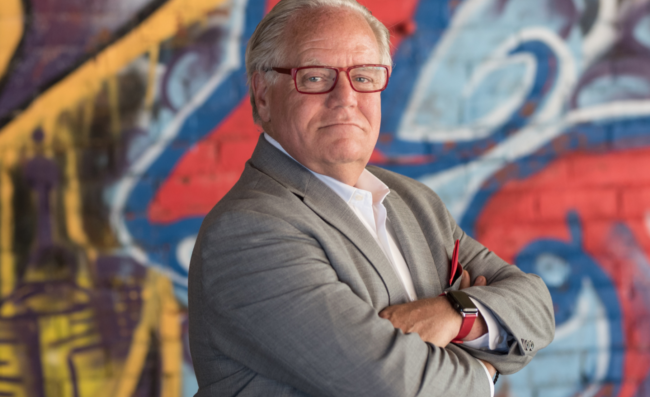

Jim Marous (00:12):
Welcome to Banking Transformed, the top podcast in retail banking. I'm your host, Jim Marous.
Jim Marous (00:18):
The future of banking isn't coming, it's already here. And yet, based on our research, a staggering 46% of financial institutions admit that they're either at the beginning part of the digital transformation journey, or still in the planning stages.
Jim Marous (00:37):
At the heart of this challenge lies a familiar bottleneck: legacy core systems. While over 90% of those banks surveyed this year say digital transformation is either critical or a high priority, less than 10% believe their core can support their goals. This is a major problem.
Jim Marous (01:05):
In this episode of Banking Transformed, I'm joined by Sandeep Lalwani, the Head of UST FinX and Barry O'Connell, the Managing Director for the Americas for Thought Machine. Together, we unpack the real-world consequences of delayed modernization, from constrained innovation to stunted customer experiences. And we're going to explore how a modular coexistence-based core transformation can flip the script and make your organization resilient.
Jim Marous (01:38):
We just recently completed a survey that showed where financial institutions are in their digital transformation journey. What's interesting is that firsthand experience with forward thinking institutions, we now are able to look and say, "What are making those institutions more digitally mature than others?" And we want to make sure that we can escape vendor lock-in and understand why speed matters more than perfection, and how we can start generating ROI mid-journey rather than post-implementation.
Jim Marous (02:16):
So, welcome to the show, Sandeep and Barry. Before we get this thing going, can you introduce yourselves to our audience and share a little bit about both of your firms? We'll start with you, Sandeep.
Sandeep Lalwani (02:26):
Thanks, Jim, a pleasure to be here and talking about what's a key focus for us banking transformations.
Sandeep Lalwani (02:35):
I’m an executive with the UST and run or head out the division within UST called UST FinX, which is focused on the community banks and credit unions, globally our specific focus on the North America marketplace as well. UST, 35,000 people in 31 countries but we're a small unit within that focused on this market of the community banks and credit unions.
Jim Marous (03:04):
Barry, how about you?
Barry O’Connell (03:05):
Hi Jim, thanks for having me. I am the Managing Director of Thought Machine, which is a world leading core banking and payments platform, headquartered out of London, but a global business. We have around 60 banks, big and small that we're working with on their core and payments transformation, and I lead up our America's business. Thanks for having me today.
Jim Marous (03:31):
Great. So, Sandeep, our research revealed that 92% of banks admit their core systems can't fully support digital transformation, yet only 15% consider core modernization critical. So, why do so many banks continue to delay core modernization despite knowing that their legacy platforms are holding them back?
Sandeep Lalwani (04:00):
A good question, Jim. It's always been that from an overall standpoint as to when do you start, and what are the drivers for you to start the modernization process, and I think there are two key parts to it: one is are there real choices out there or am I jumping from the frying pan into the fire, so to speak, from a technology standpoint, because so much is shifting, so much is changing. The second is to get to the right business outcomes that drive this modernization.
Sandeep Lalwani (04:32):
What do you want to achieve? Do you want to achieve the growth of customer base or do you want to achieve more deposits or loans? So, the business driver and the business outcomes are as critical to understand and typically, it's not just the word core modernization, it's modernizing the platform that comes along with it. The core is a key part to it.
Sandeep Lalwani (04:54):
So, that's a key part of this whole modernization journey where the banks, the larger ones have the investment and the wherewithal to do it, but the mid-tier will struggle with that unless it finds the capital for growth or the business outcomes that create the growth. So, I think the two go hand in hand Jim from a business outcome and a technology choice availability. So, I think that's the short answer. Barry can also add to some of the things that he's seen.
Jim Marous (05:27):
Go ahead, Barry.
Barry O’Connell (05:29):
Well, I think core transformation is something that is being tackled. It does take institutions with some bravery and a degree of leadership from the top down committed to that. In this wave of AI news and the digital sort of transformation layer that's already been really enabled for many banks, and it's kind of our priority, the next wave of actually enabling great hyper-local personalized experiences means you need to tackle the data layer and the foundation layer of banking or the plumbing, as we say.
Barry O’Connell (06:06):
So, without access to real time data, how do you really compete with fintech banks who are taking great market share? Even in the U.S., Chime for example, just went public with 22 million customers. So, banks are taking notice and smaller banks want to compete.
Barry O’Connell (06:26):
And so, if they want to compete and look attractive even in an M&A perspective, it's time to invest in the foundations layer of the banks and several of our clients in the U.S. are taking that big step. I think the wave is only beginning and growing.
Jim Marous (06:44):
It's interesting because the whole idea of core transformation, back-office transformation, core modernization, business modernization, it's a big thing to tackle. And I have examples of institutions, we've interviewed them on the show that took as much as nine or more years to get that done.
Jim Marous (07:07):
But what's interesting, that was nine years ago, meaning that they started nine years ago. The capabilities of building a platform in pieces, in parts, and attacking it piece by piece really opens a door to tremendous opportunities for banks of all sizes.
Jim Marous (07:25):
And I think that we all agree on that, that organizations are starting to realize that, geez, while it was scary in the past, there's a lot of solution options. There's the ability to rip and replace the entire thing or parts of it.
Jim Marous (07:38):
So, Barry, overall, is there a right time to start core modernization, or is waiting now a bigger risk than moving too early?
Barry O’Connell (07:49):
Well, I think you're spot on. The old core transformations that occurred failed majority because they went for a big bang replacement and didn't achieve results along the way. So, the new phase of core modernization is first tackle the strategy and what your business plan is and how you want to serve your customers, and then decide if you can launch new products and services along the way while modernizing.
Barry O’Connell (08:17):
So, several of our clients in the U.S. and globally have launched an innovative product or service that they couldn't do on the legacy stack, while also progressing with the modernization of the legacy stack as well.
Barry O’Connell (08:30):
So, by doing that, you generate revenue, you increase customer satisfaction with the new product you launch quickly, and you also tackle your underlying cost to serve for that new product or service. That in a way drives support at the board level of the bank, the customers of the bank to do more.
Barry O’Connell (08:51):
So, this concept of tackling core as a rip and replace is kind of dead and basically doing it progressively while launching innovative products and services is the way forward, we believe, and several of our clients in the U.S. are doing that right now, including community and small banks.
Jim Marous (09:09):
It's exciting to see that that transformation process, that modernization process, that organizations are realizing that they can actually innovate at the same time, you don't have to shut down the financial institution to do a modernization process.
Jim Marous (09:25):
And what's interesting, Barry, and we talked about this before the podcast started, that our data shows that 70% of institutions prioritize reducing operational costs over innovation or customer experience, while 34% cite budget constraints as their biggest transformation barrier. This kind of suggests that we're kind of stuck almost in a maintenance mindset then as opposed to investing in growth.
Jim Marous (09:52):
Do you see financial institutions starting to break this cycle, and as you just mentioned, trying to demonstrate ROI from a modernization investment as they go?
Barry O’Connell (10:03):
Absolutely, it's the only way. For example, one of our clients is a $30 billion AUM bank. One of the things they decided to do is … in my view, is that these banks who serve state or multi-state regions or even a community or small localized bank, they want to serve customers with hyperlocal, hyper-personalized products.
Barry O’Connell (10:27):
In this case, this bank launched an agricultural lending product, equipment financing to customers that they weren't able to serve before because they couldn't launch that product on the legacy stack. Legacy stacks are monolithic, hard to change, and often, it's two or three vendors serve over 3,000 institutions with the same monolithic core.
Barry O’Connell (10:50):
So, in this case, even though they maintained the monolithic core and are committed to transfer off it, they launched a product to a new customer, to a new segment with great success while generating revenue, lower cost to serve as well because it was digitally only serve product. So, I personally believe that's the right path, and I think that's what we'll see more of in the future.
Jim Marous (11:16):
Sandeep, do you have anything to add to that?
Sandeep Lalwani (11:18):
Yeah, I think the overall sense of being able to get more transformational over a period of time, which is what Barry said is demonstrate the business outcomes in conjunction with your technology changes.
Sandeep Lalwani (11:36):
So, you're getting into saying, “Alright, I have a new stack that can deliver me new deposits and I will still lend more, and therefore, make an ROI on my deposits and be able to modernize my lending approach and modernizing my lending stack as well at the same time.”
Sandeep Lalwani (11:53):
I think the other part which is very key to understand is the fact that the big bang is really part of legacy or nobody should take a big bang approach to core modernization, which is I'll turn the switch off one day and I'll have it available the next day. You're going to do it by product, by segment, by what business outcomes you want to tackle.
Sandeep Lalwani (12:21):
And to be able to do that, you've got to have the right underlying framework to help you manage that transformation much more effectively. And that's what's available through the years of this having come to bear. Barry mentioned 60 clients, that's happened over a period of time, so there's learnings from that that can be quickly brought to bear in the new technology paradigm to the other banks that are wanting to make the switch and move forward from there.
Jim Marous (12:50):
It's interesting Sandeep, our research shows that 51% of banks are pursuing either a core wrapping or a gradual modernization approach while only 14% plan a complete replacement, which we've referred to here. This suggests that the market has moved away from an all or nothing mentality towards core modernization. Sandeep, what's driving this shift towards more of an incremental transformation strategy?
Sandeep Lalwani (13:18):
I think it's interesting you say that Jim because I relate it back to how banking itself has transformed over a period of time. Bankers used to manage milestones. They would say, okay, you want to buy a house, that's a milestone, I'll give you a loan for that. You want to have a wedding or you're going to be going to college, so I will give you that because the milestone is entry to college.
Sandeep Lalwani (13:45):
Right now, banking's transformed to more a journey, a lifestyle management, whereas they're building credit, they're giving you advice, they're looking at financial wellness, so it's more a journey. Similar things are happening with the technology world where it's not an event-driven thing, but from a, I have to migrate my system, but it's a journey to transformation.
Sandeep Lalwani (14:07):
The journey takes five years, it's not something that's going to happen overnight for them. It's not a milestone-base-
Jim Marous (14:13):
It never stops.
Sandeep Lalwani (14:14):
It never stops. It's part of what is the agile world. What are we learning from the agile world is everything's an iteration — so I have to iterate through my modernization and that's the key part to it.
Sandeep Lalwani (14:27):
And if you look at what is your end state, everybody today wants to be cloud native, everybody needs to have real time data or banks need to be having composability across their layers. Not only is the product composable, but my integrations are composable, my experiences are composable, and the table stakes is that I have good delivery mechanisms. Those are no longer nice-to-have or I can have — I have to have that because digital fluency is a key ask.
Sandeep Lalwani (15:01):
So, how do you achieve that is the question, and which is why there's no right answer, and the world is evolving so fast as well. There is no decision that will be valid for five years anymore. There will be no product that will be the same for five years anymore because you will have to morph it, change it based on your client need.
Sandeep Lalwani (15:20):
So, I think that business philosophy is permeating to the technology world as well, at the same time, the technology world with cloud and cloud native, there are no fixed barriers that I have hardware that I cannot buy anymore or I cannot scale out further is allowing that process to happen the right way. What they need is the right type of expertise to help enable that, and that's where the people like us could help in that whole process where they don't have that.
Jim Marous (15:52):
To that point, Sandeep, we really talked a lot in the last few weeks, you and I, and Barry and we've talked about the fact that the ability for organizations (while it's called fintech firms support companies) are really building really compelling partnerships that make it easier and better for financial institutions to make major steps.
Jim Marous (16:18):
So, Sandeep, what makes the UST FinX and Thought Machine combination/partnership a compelling partnership, especially for mid-tier and community banks looking to modernize?
Sandeep Lalwani (16:32):
So, I think the key over there is … I mean, and I pin this to the heart and the soul of a body, that's the core. So, Thought Machine's right at the center, but you need the rest of the framework for it to be very effective and used the right way by the incumbent banks. And in that sense, dependent on the legacy has left them very little internal expertise to manage that. That's where UST FinX can fill in the gaps.
Sandeep Lalwani (17:04):
We've got prebuilt assets, we've got the modern data structures, we've got the learnings from a large number of implementations globally that we can bring together, we've got the global delivery model that makes it much more cost-effective and approachable in that manner.
Sandeep Lalwani (17:20):
All of the aims of the mid-tier banks are also not only to — they have fintechs as their competitors, but they also have fintechs as their collaborators, and how do they get more of those in and how do they have the ability of having one person or one vendor help manage that whole process and not have 65 relationships that they need to manage because each of the fintechs does a specific thing very well.
Sandeep Lalwani (17:47):
So, an ecosystem that gets managed by FinX that brings the power of Thought Machine and the core over there to the forefront, allowing them to really have that modern, real time AI and data-driven architecture that delivers to the customer, so I think that's-
Jim Marous (18:07):
And of the thought leadership. I think it's really interesting, Barry, that we look at the ecosystem and the vast majority of the ecosystem, certainly in the U.S. and North America are smaller and mid-sized financial institutions with many having assets between 1 and 10 billion.
Jim Marous (18:26):
What is amazing about the UST FinX and Thought Machine partnership is that we're really at a point where smaller organizations can take advantage of the skill sets, the roadmap, the case studies that you've mentioned already that never are available before. How do you make this both accessible, economically viable for this very crucial segment of the marketplace?
Barry O’Connell (18:53):
So, even smaller institutions, they want flexibility but without sacrificing completeness. If you think what they came from, they have one provider doing everything, you hear the term bank in a box. While that was effective, it also was very restrictive, including restrictive contracts. Even the access to customer data was prevented because the customer data sits on the underlying old core managed by the provider.
Barry O’Connell (19:22):
So, banks clearly don't want that, but then the targets did. If they want composable, best in breed components stacked on top of the core and payments layer; for example, data, digital channel layer, all of those need to be tied together in a low-cost effective way.
Barry O’Connell (19:43):
That's where partners like UST can help stitching that together and provided managed services around it, but also innovatively, UST are offering ways to do that in a commercially effective way where they take on some of the risk of the change and manage the transition period.
Barry O’Connell (20:02):
So, we're seeing new models like that emerge which makes it actually a little more low cost and effective to change. But a smaller institution that's committed to change, it's going to have a period, we call it coexistence where it's managing old and new.
Barry O’Connell (20:17):
And unfortunately, that can increase costs initially, but ultimately, their longer-term state is much healthier, where they're not stuck with one provider for everything, and they can swap in and out components of a more composable stack. So, getting that flexibility without sacrificing completeness, but working to tie together a much more modern stack is going to be ultimately a better way to serve their customers and business clients.
Jim Marous (20:45):
It's interesting, Barry, I smiled when you talked about making it so these partnerships are not born in stone and you can't get out of them. I don't think there's a financial institution out there that isn't extraordinarily frustrated with the fact that they're so strung together with regard to their core provider, their legacy core provider.
Jim Marous (21:07):
The reality is that core provider can't do everything the best. And I think the best leadership driven organizations right now are realizing that you've got to break away from that core provider for certain things and do it in a way that's thoughtful but also takes advantage of the legacy while moving forward with things you need to do now. And organizations that are doing that are realizing they're not double investing, they're actually investing better.
Jim Marous (21:40):
Both of you actually, there's not a conversation in the banking world that goes on right now without us talking about data, AI, personalization, maybe even the agentic agent out there. How does this really justify, and as a foundation, justify the shift to more modern platform? I'll start with you, Sandeep.
Sandeep Lalwani (22:05):
I think a very key question over there, and I'll certainly not shy away from talking about a core that's cloud native, that's all real time, that's API first, is a key tool that data being available at will. And I think the key word over there is banks have had a lot of data, but is that data available in today's world in real time, and is it available at the right time at the right place? And that's the whole part about hyper-personalization that is a part of the digital fluency.
Sandeep Lalwani (22:42):
I think that's a key part to it and having those underlying basics, which is the core with API first, integration layer that's robust and accessible at all stages, are all key drivers of ultimately being able to harness AI.
Sandeep Lalwani (22:59):
Like you mentioned, some of it is both at the back end with operational efficiency but more clearly at the front end with the client and their needs from a personalization and delivery standpoint. There are guardrails that you need with privacy regulation, with all of that available as well that you need to have that.
Sandeep Lalwani (23:19):
But overall, moving that data and having them at the right time, right place is the key. And it's all about uberizing the digital experience. At the end of it, if you see Uber, you stop somewhere and you get out, you'll say, "Do you want to go home?"
Sandeep Lalwani (23:36):
How did it know you want to go home? Because you're not at home, you're going there, it's real time data that's flowing through, and it's prompting you do things that you wouldn't otherwise do from that standpoint. And that's really where even the banking world will need to be at for the mid-tier banks in that space for delivering that data digitally at the right time, in real time, I think.
Jim Marous (24:00):
Barry, what do you think around that? Because I think the whole Uberization thing, it's interesting because it wasn't that long ago that financial institutions pretty much dictated what the customer's going to get.
Jim Marous (24:13):
Now more than ever because of everything that's going on around us, everything from the pad codes that you put on your car to go through pay styles to embedded payments, to what Amazon and Uber are doing, and other platforms — the consumer's really driving the kind of experience they will demand and the legacy platform really can't support that.
Jim Marous (24:37):
So, all this new items such as the data, the AI, the personalization aspects, Barry, what are you seeing out there with regard to how important those aspects are with regard to modernizing the core?
Barry O’Connell (24:52):
Well, I was talking to a CEO of a bank in the regional bank crisis where there was kind of a rush on deposits and a flight to safety. And one of the things he said to me in a batch-based system, “I really only have a view of my deposits at midnight each day, so the regulators are calling me and I don't know in the afternoon what my deposit position's going to be at the end of the day, so that's not a good place for a bank to be.”
Barry O’Connell (25:25):
So, when banks talk about AI and serving the customer, for me, it's like, well, where's the basic foundational level of your data? Well, it's stuck in batch-based systems that you don't even manage your own, a vendor does on your behalf, so you're taking on systemic risk as a bank and from a liquidity perspective, so that’s a very basic banking thing.
Barry O’Connell (25:45):
You should always have a real time view of your positions and balances, and then you go right to the customer level where customers expect, okay, yes, on a batch-based system, you can do real time memo posting and see a money movement, but it's not really a ledger movement. So, to have real time ledger, you do need a real time core, and that enables … it’s fully cloud native and can also interact with all of the consuming upstream systems as well in real time.
Barry O’Connell (26:14):
So, if you pay an Uber driver and the Uber driver expects the money in real time and likewise, the customer expects the balance to be withdrawn in real time for the amount, and so everything streams from the underlying foundations of the bank or the plumbing, and that's where players like Thought Machine help. We're fully real time, a fully composable platform as well, and highly performant resilient as you would expect from a cloud native core.
Jim Marous (26:46):
It's amazing how frustrated the consumer gets today when they think everything's working in real time but their financial institution isn't. And it hampers the people in the financial institution, because what happens is flow of funds now is becoming very important.
Jim Marous (27:04):
If I'm going to be getting a deposit and immediately transferring money to an alternative provider, the financial institution’s losing an opportunity to get me back at that moment of time as opposed to having to wait until month end or day end, or maybe never even know that flow of funds happened. I'm sorry, Sandeep, I interrupted you. What were you going to say?
Sandeep Lalwani (27:25):
No, I think the point about flow of funds in real time is part of it, but it’s also what we mentioned earlier, is about the journey on the AI spectrum that we need to go to where hyper-personalization needs to flow bottom to up, but also from the digital layer down to the bottom.
Sandeep Lalwani (27:46):
Earlier we had 10 products for in a bank, right now, if you have a hundred thousand customers, your ultimate goal is to have a hundred thousand products but not break your backend systems or not offer that capability.
Sandeep Lalwani (27:58):
And that's where the flow back and forth between the choices the consumer makes and what the core and the other systems provide is complete and flexible again, in real time because that's the power of AI, and that's what a smart cloud native core like Thought Machine's world core provides that as a basis that you can utilize through the journey and not have to look at replacements down the road as well because of the roadmap and the technology constructs that it comes along with.
Sandeep Lalwani (28:34):
So, I think that journey aspect is as key to this whole process about modernization and where you start and how you finish based on where you are at this stage with your vendors as well as the ecosystem and the customers.
Jim Marous (28:49):
It's interesting, our research showed that when organizations are looking for a transformation partner, they give 64% prioritization to both industry expertise and technical capabilities which really says that organizations right now are really not assured of themselves with regard to the modernization journey.
Jim Marous (29:15):
Barry (and I'm going to ask you also Sandeep), the partnership of UST FinX and Thought Machine, a lot of this, especially because you're looking at the midterm, the mid-tier organizations is based on your ability to give them the internal skill sets, to be able to amp up what they're doing today but what they also have to be prepared for tomorrow.
Jim Marous (29:38):
Can you explain a little bit about how that works Barry and how you are working with organizations to really fill in the gaps for lack of a better term?
Barry O’Connell (29:49):
Well, I think I mentioned at the beginning, so we look in our clients, also leadership and the commitment to change the bank as well, attract new talent because we think banks, even smaller banks do want to own their own destiny, do want to hire and upskill their own workforces and adopt new technology so we look for that and a willingness to change.
Barry O’Connell (30:14):
So, if we see that, we are obviously going to enable them with great technology and platforms, and UST as a partner, can also help upskill and enable their workforce as well. But unless the bank's willing to make that journey themselves, it's very hard to, I would call it transform the talent and the workforce.
Barry O’Connell (30:34):
But we even serve globally systemically important banks, tier ones in the U.S. And one of the things they mentioned to me, why they selected us is engineers and banks or technology teams themselves, they're hungry to learn and don't want to work on monolithic cobalt based 60-year-old applications.
Barry O’Connel (30:55):
So yes, you can modernize and progressively modernize off that stack, but if your system of record is still 60-year-old code base, nobody wants to work on that. You're not going to recruit from any university locally or nationally to work on that stack.
Barry O’Connell (31:12):
So, one of the common reasons for adopting a platform like Thought Machine and working with leading edge partners like UST is a desire to enable the bank to help themselves. And so, we really look for that in our banking partners we work with, that they're willing to adopt new technology and enable their own teams to understand it, which is critical.
Jim Marous (31:35):
Sandeep, what do you think of that?
Sandeep Lalwani (31:36):
I think absolutely point on. I think change starts from the top, so the most successful ones are where the management team is driven for change and are willing to walk the talk, so to speak, with the rest of their team.
Sandeep Lalwani (31:50):
But as a key point that UST FinX brings, is that we've got the depth of expertise in ourselves to understand that banking, so they're not teaching us banking or the way banking works in terms of a client. So, there’s a rapid engagement with the client and it’s always hybrid.
Sandeep Lalwani (32:10):
Our success has been in a hybrid model where the client learns and gains from our interaction as much as we gain from the client's interaction, and that helps us deal with the whole aspect which Barry talked about.
Sandeep Lalwani (32:24):
Everybody wants to control their own destiny. We are not here to take away their control, we're here to help them gain control, gain it faster, but gain it at a cost and timeline paradigm that allows their business outcomes to be achieved.
Sandeep Lalwani (32:41):
So, I think we are very focused on that to saying, we will succeed if you succeed, and ours is not about the number of bodies, it's about bringing pre-built expertise or pre-engineered expertise as well as pre-built assets that accelerate this journey for these midyear institutions while retaining the openness and the agility that they desire in terms of timelines.
Jim Marous (33:08):
Sandeep, sticking with you right now, one of the things that we see as the best case scenarios if an organization decides to go and partner with another organization, be it a core transformation, be it any element of digital transformation — we find that sometimes despite the best intentions, despite everybody being on the same page when they sign the contract, things go wrong.
Jim Marous (33:35):
I mean, the reality is somewhere in the process, the end result doesn't end up being what was expected because of something that went on during the actual process of partnership. Sandeep, what gets in the way of organizations actually succeeding when we know the technology's there, we know the capabilities are there, we know the vision is usually there. What gets in the way that makes it difficult to achieve the results that organizations on both sides of the equation are looking to achieve?
Sandeep Lalwani (34:11):
I think one part we already talked about is that management readiness and willingness to change at the top, but that also is a message that has to go further down, and therefore, a larger thing is around organizational readiness.
Sandeep Lalwani (34:28):
The second thing is that the devil's always in the details, and getting the details right and organized the right way is a key part to it. So, we've got the methodology as well as the appetite to invest in getting the details right.
Sandeep Lalwani (34:45):
Just a case in point, there's a credit union in the northeast U.S. that wants to transform. The first thing that they've committed to is along with one business line transforming, is to blueprint the rest of the transformation that'll happen over next two years to get that blueprint right.
Sandeep Lalwani (35:06):
Because previous blueprints are all sitting in a binder somewhere, somewhere it's been delivered on a PowerPoint. It's not interactive, it's not digital, it doesn't change. As I find new things, how do I add on more to it as I find more — that's a key part of us getting it right in that journey and saying, “Let's do this, let's do it the right way.” And we are here to invest in that, and therefore, drive the outcome to where we will both recoup our investments the right way with success.
Sandeep Lalwani (35:36):
I think that's a key mantra that we have, and that's an approach that we've taken, because otherwise it's all things going into the black box and black boxes are not friends of people who want to know everything and be open in an ecosystem.
Sandeep Lalwani (35:51):
So, I think that's a key ethos in an operating paradigm in a philosophy that Barry alluded to earlier as well, of being able to take away the risks, understand the risks, work with the banks on the risk, and manage that as we go forward.
Jim Marous (36:08):
Barry, what's your perspective on that? What gets in the way of success? To Sandeep's point, we say it on so many of our podcasts that bankers get in their own way sometimes, the inability to let go. You talked about the old cores, and to let go of what's worked in the past because it has worked in the past. I mean, we don't have any (very few, if any) institutions in the U.S. that basically go out of business.
Jim Marous (36:34):
So, as a result, many of them are succeeding quarter to quarter, but the reality is they're not optimizing success, and they're sometimes getting their own way and make it so that what was originally thought to be achieved isn't achieved. And I think in most cases, we find it's not the provider as much as the financial institution not being able to get on their own way. What do you see Barry?
Barry O’Connell (36:58):
Well, I think that banks are struggling a little at the moment in terms of, in the volatile rate environment where prices went up, rates went up. A lot of the fintech or more digital forward banks were able to offer very competitive products, and there was a flight of deposits. So, I think a lot of even regional, super-regional banks were caught flatfooted in that they were reliant on the vendor to make basic pricing changes at a portfolio or customer segment level.
Barry O’Connell (37:28):
And I think that really frightened the boards of these banks when they saw a flight of deposits out of the bank. And so, when they unpack that, what's the root cause of that? Well, our systems are slow, it's hard and costly to change them, and we don't even own them, in many of the cases, it's managed by a third party.
Barry O’Connell (37:47):
So, banks really optimize for risk as a prime focus, but for our view, is that risk is when you can lose customers, lose deposits, lose loan volume, that is a big problem for the bank. And when your systems and lack of speed and nimbleness cause that, you need to change.
Barry O’Connell (38:07):
And so, we're seeing a more willingness to embrace new technology if that leads to greater flexibility, speed to market, speed of innovation of product and service. So, I definitely see much more interest in doing more and learning more.
Barry O’Connell (38:23):
But as I said earlier, and to Sandeep's point, rather than say, "Oh, let's do a big bang core migration," what we are seeing is let's launch a high yield saving product on a new core that we couldn't offer, offer that nationally, digitally only, develop a multidisciplinary team in the bank — not just technology but business owner, reg and compliance teams, data teams working together to launch that MVP, and ultimately, go to production. Learn from that, and then use that as a blueprint of Sandeep to do more on other products and progressively migrate from A to B.
Barry O’Connell (39:05):
So, if banks are optimizing for risk, now there's new ways to launch products in a low-risk way, and also change the way the bank thinks about launching products and services in new ways, using and leveraging technology. So, I'm very hopeful that that wave will continue and grow and the lethargy of just shrugging shoulders and saying, "Well, we're reliant on vendors, so we can't do anything," I think that time is over.
Jim Marous (39:33):
Barry, you said it really well, it’s leading to my last question for both of you, and that is that resilience is no longer just about risk and fraud. Resilience is actually a matter of determining, is your organization prepared for the changes that are ahead? Are they resilient to be able to respond to a major rate change, a major marketplace change? Run in the bank for a terrible scenario. But the reality is most organizations are not resilient today, but the whole perspective of what resilience means goes beyond simply the risk side to the opportunity side.
Jim Marous (40:13):
So, Barry, with regard to those organizations that are listening to this podcast, that are looking to make a decision today or in the very near future around modernizing their core, where should they start? What's the first thing they should do?
Barry O’Connell (40:30):
Well, I think they should speak at the board level and the exec team to say, are we willing to take on and embrace change, embrace technology, attract new talent, work with new partners, and adapt? If that commitment's there and they have a strategy in place, then it's about execution and then you execute in lower risk ways.
Barry O’Connell (40:50):
And like I said, launch new product or service, launch it to a new segment that you can't serve on the legacy stack. Learn from that, generate revenue at a lower cost to serve and ultimately, higher client satisfaction, and then build from that base.
Barry O’Connell (41:07):
And if they make that step, what you'll see is not only the customers will be happy, there'll be a higher-level employee engagement along the way. The teams that work on these MVPs that I mentioned, they're highly engaged, much more higher employer satisfaction than those working in the legacy. So, the banks and the leadership teams will see that and see the results it's achieving, and then scale it from there.
Barry O’Connell (41:35):
But what we look for is, again, that willingness to adapt and change at the very top of the bank. If that's not in place and it's a fraction or a silo in the bank, they're going to have very limited success, because if it's done as an innovation project or something, it's typically not going to have a massive success. So, that would be one piece of advice we look for in our clients and partners too.
Jim Marous (42:01):
Sandeep, what do you think, what's the one thing they have to do today?
Sandeep Lalwani (42:06):
I think the overall thing is, I know you mentioned core modernization. I think it's the core of the bank, not just the core, is the modernization approach and the ability to change, modernize my thinking, which is part of what Barry talked about, the whole thing. Modernize my organization, now I'm going to go from waterfall to agile, I'm going to have things thrown at me every day, I've got to react to that.
Sandeep Lalwani (42:30):
So, I cannot follow that listing, and certainly, reimagine my banking stack and processes as well. Because if you miss that opportunity, you talked about it in terms of optimizing it, but it is really reimagining it.
Sandeep Lalwani (42:42):
If I have a legacy system that follows 20 steps, I shouldn't expect that when I modernize, I will follow those same 20 steps. I might follow a different set of 20 steps — all of them might involve other players. So, it's a mindset change that needs to be the first thing and if the mindset is there, then it'll drive the behavior and other things will fall in place.
Sandeep Lalwani (43:05):
At the end of it, there are now well-established, rightly positioned core plus the delivery mechanisms from U.S. that will allow you to happen. And it's about selecting the right size partner, not so much the experience or otherwise, but the intent at which the partner comes in and the approach to the partnership, because that's really what it is.
Sandeep Lalwani (43:30):
It's no longer a vendor-customer relationship, most of this is a partnership because it's a longer-term journey. It's not going to happen over a year, it's going to be enduring over two or three years because you want to achieve more than what you’re setting out for yourself in a year.
Jim Marous (43:46):
And the reality is it doesn't end. It's a journey that keeps on going. Everybody looked at digital transformation when that term came out, which is just so misnomer, but the reality is they said, “Geez, how long will it take us to do this digital transformation?” Guess what, it never is going to stop.
Jim Marous (44:02):
Because as soon as you get to Tuesday, you have got to be to Thursday, as soon as you get to Thursday, you got to be to Monday. As soon as you get to 2026, you've got to be ready for 2027 and it doesn't change and it's going faster.
Jim Marous (44:14):
I use the term change never happened this fast, it'll never happen this slowly again. We will not catch up to the front of the train, we'll just try to stay from getting thrown off the train completely.
Jim Marous (44:26):
Gentlemen, this has been a great conversation and a great setup for those organizations, the mid-size and large organizations that are looking for partners to get them to today — not getting them yet to tomorrow, not to make them completely resilient, but to do the things that are necessary so you can actually introduce products today that you can't introduce and actually build a core platform to be able to address those.
Jim Marous (44:54):
Gentlemen, thank you both for being on the show today. I really appreciate your time.
Sandeep Lalwani (44:59):
Thanks, Jim. It was a pleasure.
Barry O’Connell (45:01):
Thank you, Jim. Appreciate it.
Jim Marous (45:05):
Thanks for listening to Banking Transformed, the winner of three international awards for podcast excellence. If you enjoy our work, we'd appreciate if you gave us a positive review. Also, check my recent articles on The Financial Brand and the really good timely research we're doing for the Digital Banking Report.
Jim Marous (45:22):
This has been a production of Evergreen Podcasts. A special thank you to our senior producer, Leah Haslage; audio engineer, Chris Fafalios, and video producer, Will Pritts.
Jim Marous (45:34):
Also be sure to catch some of the other podcasts we've done around core transformation. A special interest may be the interview that we did with a leader at Zions Bank who went through a nine-year core transformation journey to listen to her lessons and what they would do differently going forward. It's really a great follow-up to today's podcast.
Recent Episodes
View AllThe SoFi Cross-Buy Engine Fuels Amazing Growth
Banking TransformedThe Best Banking Innovation Doesn't Need a Huge Budget
Banking TransformedArming Front-Line Bankers with AI Tools That Win Clients
Banking TransformedWhy Banks Miss Human Customer Moments"Most banks know far more about their customers than the customer ever feels. In this Banking Insight Video, I look at why relationship banking often feels programmed, from the quarterly business banker check-in that g
Banking TransformedYou May Also Like



Hear More From Us!
Subscribe Today and get the newest Evergreen content delivered straight to your inbox!
Advertising & Sponsorship
Interested in sponsoring or running an ad for your business on an Evergreen Podcast? Contact us to get pricing and availability.