
Banking Transformed
Hosted by top 5 banking and fintech influencer, Jim Marous, Banking Transformed highlights the challenges facing the banking industry. Featuring some of the top minds in business, this podcast explores how financial institutions can prepare for the future of banking.


Reaching the Underserved: Strategies to Scale Financial Inclusion
Traditional financial institutions often view the credit-underserved market as a liability. In this episode of Banking Transformed, Michael Coleman, CMO of Credit One Bank, joins me to demonstrate how that mindset is shifting. We explore the actionable strategies banks can use to reach millions of underserved households by moving from fear-based risk avoidance to purposeful risk management.
We break down the pathway to inclusion:
• Targeted Outreach: How to leverage pre-approved offers and data-driven insights to lower barriers to entry for millions.
• Empowering Through Education: Why proactive, digital-first credit education turns potential risks into loyal, long-term card members.
• Transparency as a Tool: Using clear fee structures and open communication to build trust with populations that have been historically excluded.
Download the full Digital Banking Report, The Ultimate Subscription: Fees That Unlock the System for Millions, at DigitalBankingReport.com.
This episode is sponsored by Credit One Bank.
#BankingTransformed #FinancialInclusion #CreditOneBank #Fintech #RetailBanking #ConsumerFinance
Where to Listen
Find us in your favorite podcast app.
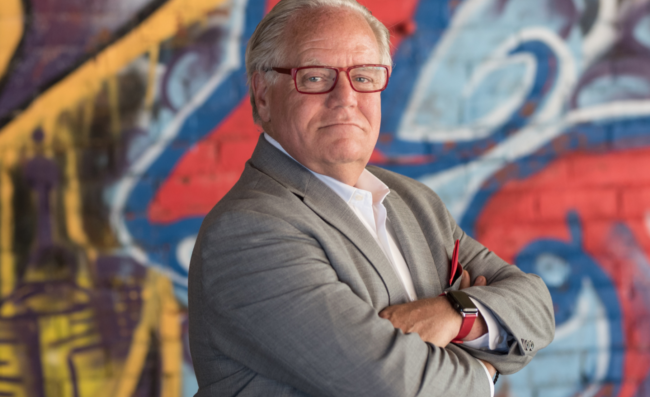

Jim Marous (00:11):
I'm at the Financial Brand Forum here in Las Vegas where we have so many financial institutions that serve the consumer at every level and every product line. We also have a lot of solution providers that are providing solutions to the banking industry to make banking better.
Jim Marous (00:27):
So, today, I have Michael Coleman, the Chief Marketing Officer from Credit One Bank, who is here to talk about the initiatives that Credit One Bank has done and how they're serving their customers. I had a previous podcast, if you want to listen to it, with Steve Min, who's a credit officer and it's really interesting because you do business differently.
Jim Marous (00:48):
So, before we start, do you want to talk a little bit about your background, what you do at Credit One, but also a little bit about what Credit One brings to the consumer that's different from the regular part of the marketplace we're used to?
Michael Coleman (01:01):
Yeah, so I run marketing for the bank. I've been doing this, gosh, almost a decade but I didn't start in marketing. I started off in technology consulting. I've done a lot of different things in my career. I did a startup at the turn of the century that didn't quite start up. It was like we raised a bunch of money and spent a bunch of money to make a lot of money.
Michael Coleman (01:21):
And then I did some management consulting, and then I was recruited to the bank to do digital marketing. And then eventually, it kind of expanded that role to where I'm doing all marketing and kind of the branding and all the other efforts here at the bank.
Michael Coleman (01:34):
So, I have a lot of different kind of experience in my background, but I've kind of landed here in the banking space. And it's been an incredible run here at the bank, just simply because it's very different serving financial services customers.
Michael Coleman (01:51):
Especially this bank because I mean obviously, you're familiar with the bank, but the bank was founded as a regional bank that served all kinds of products, all kinds of loan and credit products to all kinds of different customers.
Michael Coleman (02:05):
So, there's all kinds of different solutions that are provided, but over time, what it realized is where it could serve people the most, where it could provide solutions that impacted people the most was in the credit space. Because what it found was that most of the traditional banks at the time, and even today, we were not willing to serve, to give credit products to people who were either building or rebuilding their credit.
Michael Coleman (02:32):
And what that means to get very technical is typically somebody who has a credit score below 700, 680, once you get in that range, a lot of traditional banks will back away from those types of card members for a number of different reasons.
Jim Marous (02:47):
And it's interesting because what drew me to Credit One Bank and what you do is exactly what you're saying, is serving a massive – that's what's not understood, is how big this marketplace is, of the underserved market that, as you said, are either trying to build, rebuild credit, and get on their feet, but in a way that's actually a partnering way, as opposed to one that they're going to pay through the nose for, and that’s assuming that they even get the chance.
Jim Marous (03:15):
I have 50 years of banking experience; it hasn't changed a whole lot from the way that credit is offered. Most financial institutions want what they're called A and B customers that are the highest credit scores, and they're usually the ones who need credit the least and that's difficult.
Jim Marous (03:31):
So, we're talking about those overlooked consumers that need access to credit, and just as importantly, and you spend a lot of time with this at Credit One, is with financial education. And not ones that you have to search the website to find out something that's a document, but really engaging in consumer education.
Jim Marous (03:50):
So, let's start with credit access. We did a recent report sponsored by you around the accessibility of credit. And what we found was 56% of institutions have actually dropped or have actually limited how far down they're going to go on the credit score. And they've decreased the willingness to extend credit again, at a time we talked about before the podcast, when most people need it most.
Jim Marous (04:17):
And maybe something's gone wrong, but more importantly, somebody who just doesn't have a full credit bureau, the things that are needed here or come across rough times. So, when you're talking about people with scores less than 670, we're talking about a massive universe.
Jim Marous (04:34):
Steve Min, in our interview, talked about this. And it's not just our research, we found that CFPB also found that institutions at a time when it's needed most are pulling back accessibility of credit. So, with that in mind, how do you address that as an institution?
Michael Coleman (04:53):
Well, I think one thing is focus. So, we are absolutely focused on this credit segment. So, as I said, the bank over time shifted to focus here. And once you start to focus, you really do start to understand the customer more than other types of banks.
Michael Coleman (05:09):
And you start to realize that a lot of folks who have ended up in this rebuilding situation, either weren't prepared when they first got a line of credit. So, in the beginning, we would empower these folks with a line of credit, but we learned over time, that a lot of them did not have the experience or the education, or even the encouragement on how to use that line of credit. So, first and foremost-
Jim Marous (05:32):
And that's been a problem forever. I mean, we talked about it before that, when I first got my credit card, you're young and you kind of think it's access to money, and then you realize you have access to also bills.
Jim Marous (05:47):
And where I got in trouble, and I mentioned this in the podcast with Steve, is that I got in trouble when I found out that my monthly payments were eating up a lot of my disposable income and I actually ended up with less money than I was using before. And it's difficult. And there's not a true education source. We don't teach it in schools in many cases, it's not nearly enough, and that's a challenge.
Michael Coleman (06:09):
Right, I mean, if you think about it, when you start using credit … I don't know that everybody's aware. So, you said your audience may be aware of this, but that all of your activity on that card is being reported out to credit bureaus, and they're taking all that activity and they're creating a credit score.
Michael Coleman (06:23):
And most people have no idea how and what goes into that credit score. You get handed, at least in my day, many times in college, there's lots of banks that would hand you a credit card. But you think about it, my son just got his driver's license a couple of years ago.
Michael Coleman (06:41):
And I think the 50 hours I had to sit alongside driving, the tests he had to take and everything else he had to do to be granted a driver's license to get out on the road. And granted, it's maybe more dangerous, but you know what, using credit can be dangerous too to someone's long-term financial health.
Michael Coleman (06:56):
And I don't know, did you learn any of this stuff in high school?
Jim Marous (06:59):
No.
Michael Coleman (06:59):
Did you learn about a credit score in high school?
Jim Marous (07:01):
I didn't learn until as an adult.
Michael Coleman (07:04):
And by the way, we aren't taught that in college or as adults. And so, I think we learned that number one, there's a lot of people that weren't prepared when they went into that credit experience. So, we're willing to take more of a chance on those folks. We also learned there's a lot of people out there (and this is where a traditional bank sometimes don't kind of do the digging) who were financially stressed in a way, it might've been a one-time thing.
Michael Coleman (07:29):
It might've been a medical expense. It might've been a divorce. It might've been a bankruptcy where these people are may be educated, willing to pay and have good habits, but something kind of hit them from the side. And then all of a sudden, they got behind on payments and couldn't get back. And we take a more careful look many times to our models at people like that who have been through those experiences.
Michael Coleman (07:56):
So, we're willing to grant the credit more so than other institutions because of the models. We have so much history and other banks may not know exactly how to do that, which allows us to expand the opportunities for giving credit lines to folks.
Jim Marous (08:14):
So, it’s interesting, we talk about credit history and credit awareness as a point in time, when in reality, what you do is, yes, you take care of that point in time, but really, it's the go-forward view on the impact. Can you explain a little bit about that, what you do there?
Michael Coleman (08:31):
I mean, it's definitely a journey. So, I mean, at Credit One, we believe that access to credit and credit education go hand in hand. So, it's not just giving people a credit, empowering them with a credit line, but helping them understand how to have good credit practices, understand the principles of it. That's what really helps someone achieve financial momentum, if they can do both of those.
Jim Marous (8:57):
And it amplifies it in the marketplace because it's one thing to get out of debt, it's another thing to learn how to use credit wisely, but then the multiplier effects in the marketplace where you really have the ability to improve your community by buying at the stores you would have frequented if you had credit history.
Michael Coleman (09:15):
I mean, it's good for everyone when you can do that, when you get that kind of financial momentum. And by the way, it's not just our institution, we see our card members, if they, again, use those kind of principles and the education, once they get the credit line, it expands – we're able to expand their credit with us, but also, they find that they have lots more opportunities with other institutions too. So, that's the multiplier effect.
Jim Marous (09:40):
Even basics of life where the ability to rent some housing to be able to get a mortgage, you need credit and you need to be able to access it correctly, but the amplification effect in the marketplace, in the community is something we kind of overlook that you're not just trying to get them from point A to point B, but to point C, which is beyond.
Michael Coleman (09:59):
We see over time, our card members have increased home ownership, increased ability to get an auto loan, aside from the fact that their credit score expands and gives them more credit lines from other institutions and from credit one. So, it really is, again, it's not just giving the line, you got to have that education and understand how to use it and when those go hand in hand, that's when you see financial momentum.
Jim Marous (10:21):
As you mentioned, you build your models differently. You look at the consumer differently. And let's say I'm a customer of a traditional financial institution, if my credit goes bad and they decide not to cover me and I have all the other services there, I get no leeway. I can't talk myself out of that because they have to put a waiver in, the branch manager, whoever it is, of going against the pattern.
Jim Marous (10:44):
Traditional financial institutions, which I discussed at an event we were at together, and the reality that it's such a stark line, and that you're either in or out, it's very difficult then to find where do I go now?
Jim Marous (11:00):
And there's a tendency they may go to a payday lender, they may go to other places. But as you said, you've built your models and your engagement, and everything else around these consumers to know that there are different shades of right and wrong.
Jim Marous (11:17):
And it's very interesting because I think it's important that we're in a risk management or risk adverse organizations in most traditional as opposed to risk management. Tell us how you risk manage as people are applying, how do you do things differently?
Michael Coleman (11:36):
Well, we have to be very careful when we serve this segment because we know we are serving a financially stressed segment. We're willing to go in there and say, “Listen, we know it's not like all the problems are done from a financial perspective. Many of the people we serve still can be struggling, but they want a chance.”
Michael Coleman (11:56):
And many times, we're the first to give them that chance. But we also realize that we are not perfect at knowing who is going to pay us back and where we're going to incur losses. So, we're required to reserve funds for these losses, and so that typically results in charging an annual fee.
Michael Coleman (12:15):
So, we've kind of structured our products where we charge either monthly or annual fees that go along with the product that allow for the credit line, that allow us to serve this type of card member. And what we're trying to do is hopefully kind of reframe that, I think, for transparent with our fees, like we want to make sure that people understand exactly what the costs of the card are. So, that's first and foremost, we want it to be very clear.
Michael Coleman (12:41):
We try to help them understand that it's not dissimilar from where people are paying for streaming services, a monthly fee for streaming services, a monthly fee for a gym membership or a monthly fee for, there's lots of places where people have subscription fees to pay for services that help them in life, whether it's also car ride services, things like that.
Michael Coleman (13:01):
And so, understanding this is another fee that it's not that we're going to celebrate the fees, but it's what unlocks more opportunities. It unlocks a way to achieve that financial momentum, the same way some of these other fees unlock, whether it's entertainment, whether it unlocks the ability to work out and be healthier.
Michael Coleman (13:25):
And I think when people see that, it helps them understand that this is not something that they should necessarily avoid just because of the fee, but there's opportunities on their side of it, just like with any other service that they may buy. And frankly, it's just much easier to operate in this economy with a credit card. And to kind of cover that challenge as we serve this, we structure our products with fees, also rewards. But you know-
Jim Marous (13:49):
Which is interesting, when you think about that, you have a rewards program for people with less than perfect credit, which is an incentive and also kind of offsets the mentality of the fee structure. Now, we all look at fees in the finance … we get damned in the financial services industry for too many fees.
Jim Marous (14:08):
But the reality is you're very transparent about it, but you've also positioned them as every institution could in a way that makes it so people say, “Oh, this is not a bad thing.” When you think about the people that we're talking about, the other options available to these people are much more stark, much more adverse to their future financial wellness.
Michael Coleman (14:31):
I mean, we really feel good about what we're doing, and honestly, that's the reason we've grown to be such a big bank. We started off pretty small, but now we're one of the biggest credit card issuers in the United States. We have almost 20 million accounts.
Michael Coleman (14:44):
And part of the reason is we don't look at these people as accounts but card members, these are individuals. They may have been through something, and we try to treat them that way, not just in how we give them the credit line, but in our entire customer service experience and everything else. So, I mean that’s-
Jim Marous (15:02):
This may be a way of talking to the consumer that they've not felt for a long time. Because I'm sorry, we demonize people that can't handle their credit, myself included, and it's a mental state that really a person feels like they've been blocked out.
Jim Marous (15:20):
And as you said, be it gym memberships, be it car rentals, be it hotel, you can't go anywhere without a credit card. Not even a debit card takes care of most of this. And it's a challenge. How do you educate the consumer on how the fees are applied and how they impact them and the dynamic positive impact of those?
Michael Coleman (15:41):
So, it used to be we would hand them a credit line and go, “Hey, there you go. Let's see what you can do with this.” Now we're much more careful to bring in credit education into it and help them understand what they have in their wallet, frankly, and how to use it, how not to abuse it. And we've really expanded that over the past few years.
Michael Coleman (16:03):
We've gone from having kind of on our site, all kinds of articles we'd write that help people understand credit or videos we put up there to now in this world where everything is kind of social, social media, TikTok, things like that, we have done our best to kind of expand our message into those forms.
Jim Marous (16:20):
How's that been done?
Michael Coleman (16:22):
Well, first of all, kind of reframing it to a certain degree and making it less about kind of a dry (like I'm talking here) kind of financial institution talk.
Jim Marous (16:30):
Oh, you're doing well.
Michael Coleman (16:32):
Well, I appreciate that. But for example, we created a campaign called Credit Wreckers, where we created these characters that-
Jim Marous (16:38):
Not credit records, but wreckers.
Michael Coleman (16:39):
Credit wreckers as in wreck your credit. So, these little fun, cute (I say fun, but they can cause problems) characters that personify things that people could do to wreck their credit. So, we have one character named Max Outt, who's a fun-loving party guy that likes to really run up his credit card. But we teach people that, hey, that kind of fun, you can have a price with that.
Michael Coleman (17:05):
We have a character named Miss Payment, who doesn't set up auto pay and just kind of leaves everything to chance. And Miss Payment doesn't realize that that could stay on her record for up to seven years. So, these little characters, we put out there.
Michael Coleman (17:20):
And part of it is to demystify these credit habits so people kind of understand, hey, don't use so much of your credit line, that'll help you improve your score. Make sure you make your payments. Make sure you diversify your credit line, things like that. But also, to destigmatize it.
Michael Coleman (17:35):
So, a lot of people, there's a lot of shame sometimes with having a bad credit score. And it's trying to help the public understand, hey, a lot of people are going through this, it's not a big deal, and there's a way out. A lot of people feel like they don't have a way out and besides empowering them with a credit line, we have campaigns like that. We have a number of other campaigns too where we've gone down the path of helping people understand that.
Jim Marous (18:00):
Well, it's interesting because you also are proactively engaging people in credit education. I always think that credit education at most financial institutions I'm familiar with, it's almost an afterthought. They're doing it because they kind of have to and they don't want to look like they're not helping the consumer.
Jim Marous (18:15):
But you make it a very active part because you benefit from them understanding their credit more. And one of the examples I have is that not getting rid of a credit card that you had on file because if you do that, the net goes off your record, which can actually hurt you. I did not know that until I met the team that you have.
Michael Coleman (18:34):
And we launched a campaign called, You're the Credit One for Me, where it's a social campaign, where JaNa Craig, who is a famous dating reality TV star, she goes on and she plays kind of a role where guys are vying for her attention, basically they want to partner up with her. And what they're trying to do is show that they have good credit habits.
Michael Coleman (19:02):
And so, we walk them through, there's four episodes, they're out on social, and it's really funny, it's really engaging, and it really helps people learn while being entertained. And we can put that on TikTok-
Jim Marous (19:14):
Which is very important now, because we have very short attention spans, much more video than written form and all these other things. And especially today with younger consumers that were brought up on TikTok and all these other channels, you're going, I'm not talking to myself, I'm talking beyond that. Even though we've taken in TikTok more than we thought we ever would too.
Michael Coleman (19:35):
And you definitely have to go where our card members are, where the people are. And so, we've learned to do that and be proactive. This is a very proactive messaging society. You know what I mean? You have to cut through the clutter. So, we are working real hard to do that.
Jim Marous (19:50):
That's what's interesting about Credit One, is that your bank model is non-traditional in many senses, but it's not unachievable. This is the thing I can't understand is what you do and the way you do it is available to every financial institution to make the world of credit better. It just isn't addressed like that.
Jim Marous (20:09):
So, let's say I'm a customer, I go to my traditional bank, I'm turned down, what happens next with regard to Credit One as far as the way you communicate with me? How do you reach out to me to say all's not lost? And how do you find me?
Michael Coleman (20:25):
Well, we find people through all the channels that they might be in and open and available to find. So, direct mail is still a big thing for us. We mail out offers. And the nice thing about direct mail is it allows you (and we can do this in digital too) to go and send out an offer that's pre-approved, which reduces the risk for people a lot because in this credit score segment, they don't want to risk another rejection.
Jim Marous (20:51):
They can't afford another rejection.
Michael Coleman (20:52):
Exactly. So, they want to apply for products that they know they're approved for. So, direct mail is a big channel for us where we'll reach out to people in direct mail with pre-approved offers. We're also able to do that digital with financial partners where they've gathered data on these potential applicants, and it allows for us to go out and proactively serve pre-approved offers.
Michael Coleman (21:17):
So, we approach them first and foremost saying, almost like 95% of the folks that come to us come through pre-approved offers. So, the first and foremost, we say, “Hey, we know you, we've looked at you, you're doing great. You have a pre-approved offer here waiting for you.”
Michael Coleman (21:34):
And that already makes them comfortable to come engage with us. This is not, hey, we invite you to apply, maybe you'll get it, we're not sure, there's a good chance-
Jim Marous (21:42):
Which that's maybe how they had that trouble to begin with. And it’s interesting because it's that aspirational aspect of what you talk to, you realize the mindset of a person that comes in to your organization through direct mail or anything else that they're beaten down pretty good at that point.
Jim Marous (21:59):
Now, it's not that they don't know that to a degree they feel like it's going to happen to me, but starting off with the pre-approval, starting off with the communication structure you do, it makes them realize there can be a brighter future.
Michael Coleman (22:13):
I mean, we hope so. And we do let them know early on, listen, if you make your payments (again, with the credit education) if you don't over-utilize, if you do all these, follow these principles, you'll get more credit.
Michael Coleman (22:29):
A significant number of our card members end up with much bigger lines of credit, additional cards from us. We used to specialize in cards that were just in that credit score segment, let's say from 550 to 670, but we've added more cards to our portfolio.
Michael Coleman (22:46):
We offer cards for really everyone, even though our sweet spot is people who are building and rebuilding. We allow them that once we show them there's a path, that's a place where we're empathetic and we design our portfolio for those card members. And then of course, the education piece and the encouragement.
Michael Coleman (23:07):
A lot of times we talk about empowerment, which is the credit line. We talk about education, and then encouragement. So, we have all the tools and messaging set up – at least, I wouldn't say all, we're constantly trying to improve, but help remind people to make a payment, to set up an auto pay, if there's an opportunity for credit line increase, we make them aware of it.
Michael Coleman (23:13):
We try to communicate and over-communicate as much as possible, so they're aware of exactly how to manage the products and how to get the most out of our products. And so, we've learned that from decades serving as card members.
Jim Marous (23:44):
I mean, it's a real psychological journey. You're working with the consumer, and as you said, the empowerment factor in the way you give education, the way you approve credit, the messaging you have, you know your customers so well and their mindset that it benefits every … there's a win-win for sure.
Jim Marous (24:05):
If you can continually take that journey with them, you're actually offering things that open the world to them as a more normal credit consumer in the way that will benefit them going forward. Can you share one or two stories of (I know you get them all the time) consumers that you've really taken down that journey, and you don't have to provide names or anything.
Jim Marous (24:25):
But just scenarios that you've seen happen that make it so your job as a marketing director becomes one that's somewhat gratifying because you don't usually see the end result of these kinds of things in a marketing world.
Michael Coleman (24:37):
I will say, big picture when I came here, I mean, I have not experienced, at least in prior roles in marketing, the level of gratitude for when you give someone a credit line, when you give them a chance to build their credit, when you give them a chance to kind of move forward with financial momentum, the level of gratitude is really incredible.
Michael Coleman (25:02):
When we started to kind of reach out and try to understand our card members, aside from understanding where we can improve, we also understood that wow, there is a real incredible surprising kind of loyalty and appreciation for what we do. And we see it all the time.
Michael Coleman (23:15):
One example that there's a woman named Tyesha Jameson who-
Jim Marous (25:22):
I was lucky to be able to meet her, oh my gosh.
Michael Coleman (25:25):
Right, and sometimes we've reached out and said, “Hey, would you be willing to share your story?” And that's the only reason I'm sharing it. But she had experienced, what I'm talking about, like a financial stress around the death of her daughter who had passed away from asthma complications.
Michael Coleman (25:41):
And so, that put her into an incredible stressful situation financially. It was hard for her to work, it was hard for her to pay the bills, and that affected her credit score. Eventually, we were the first bank to come and reach out to her and say, “Hey, we're willing to take a chance on you. We think you're ready to come.”
Michael Coleman (26:04):
And so, she got a card from us. She made her payments; she expanded her credit. And she'll talk about her story. I mean, you can probably find her story elsewhere.
Jim Marous (26:14):
Got a car and things that she never imagined.
Michael Coleman (26:16):
Yeah, she was able to walk into a dealership and with her credit score, get a new car, something that she would have never imagined when she was kind of in those tough spots. And so, it's so incredibly rewarding to see those kinds of things.
Michael Coleman (26:32):
I grew up in Kansas. I definitely didn't have wealth by any means, a small town in Kansas and one of seven kids. And we kind of, I guess, struggled, middle-class struggled. But I didn't appreciate the level of kind of financial stress that many Americans are under until I came into this role. And it was certainly gratifying to see how carefully the bank treats this segment, and it's willing to take a chance where their institutions are not.
Michael Coleman (26:59):
And it really is satisfying to see people like Tyesha and how it's benefited their lives. And businesses that thrive are ones that solve problems, and I've learned, and this is what the bank has learned, it's this is where it can solve problems for people the most, because as you mentioned, many other financial institutions will not and so.
Jim Marous (27:19):
So, as I mentioned, we're at the Financial Brand Forum, we have hundreds of financial institutions, thousands actually here, trying to learn how to be better financial institutions, do better. It's not just about cutting costs, it's about generating new customers. What recommendation, what do you see on the horizon in this area of providing credit for more people in the marketplace, the forgotten people in the marketplace? But how do we do better as an industry as a whole?
Jim Marous (27:50):
You're already doing it, I know that your guidance is you're going to continue to improve how you do that. You have a headstart on everybody. But what would you like to see in the marketplace just because overall, I know in meeting you and meeting your team, you really want the tide to rise, not just as much as it is nice when one institution does it, you have other institutions that are doing it fairly well, but there's a real gap there.
Jim Marous (28:13):
The whole credit situation has been a demon of the financial service industry, the way they handle it, and the way people view financial institutions from a trustness, from an empathy level, as a partner in your life. And as you said, we're not looking at proactive, we're looking at the GPS as opposed to rearview mirror of our lives. What should we do as an industry?
Michael Coleman (28:33):
I mean, I think aside from de-stigmatizing this customer and understanding that you can't treat them all as a number or as the same, there are people that you can find even a 550 score doesn't mean that they're not going to be a good customer. Aside from just understanding that, and maybe frankly, we have a lot of data that allows us to do that. Maybe in the future, AI can help other institutions go in and make those kind of good things. The other thing is-
Jim Marous (29:06):
That assumes they're going to be willing to manage risk as opposed to avoid it, and that's a major problem in the industry.
Michael Coleman (29:12):
That's the bigger problem, and I don't know – again, actually I know why a lot of institutions are unwilling to come into this space. It could be they don't want additional oversight from the government.
Michael Coleman (29:25):
We get looked over by the government probably more than any institution on earth because of who we serve and we actually welcome that because we want to make sure we're doing right by the card member, and right by following all the rules and laws and so forth.
Michael Coleman (29:41):
Sometimes there's a stigma even for institutions that charge those fees, and you're not going to avoid it. I mean, we are serving folks, it's not that they're unwilling, but sometimes, even after they've been through some challenges, even they've been through those challenges, we can serve them a credit card, and they're still financially stressed, and sometimes, they're going to have a tough time paying that loan back.
Michael Coleman (30:01):
And so, as a result, we're legally obligated to maintain loan loss reserves. And I think some institutions, they feel like there's a stigma around kind of maintain those kinds of loss reserves, taking that kind of risk, I'm not sure.
Michael Coleman (30:20):
We're able to design products, whether it's a 5x cash back card, whether it's a travel card, whether it's an American Express card, whether it's even just a simple 1% cash back card. We take these cards that people might see, oh, people with 750 and 800 scores have, we're able to design them in a way that they can also have those cards and those benefits.
Jim Marous (30:39):
Well, if nothing else, to get the education that there are options, it impacts every part of your life. It impacts the way you work, it certainly impacts your family. We know the history of what can happen if credit goes bad or if financial stress in the family and in a workplace.
Jim Marous (30:58):
And that's why I'm working on behalf of your team and wrote the white paper that you can download, by the way, in the episode notes. It's because it's such a major problem, and it's not impossible to solve. But again, as you said, willingness, ableness-
Michael Coleman (31:15):
Attitudes have to change.
Jim Marous (31:17):
And it's also a mindset. You don't stigmatize, you don't make it a separate part of your portfolio. It is your portfolio.
Michael Coleman (31:26):
I mean, some people do just need extra support, extra help, whatever the case may be. I mean, some people may pay for a personal trainer to unlock additional benefits in their workouts. Whereas some people might say, “Well, you don't need to do that.”
Michael Coleman (31:42):
Well, some people might need that opportunity. And so, fees, I think sometimes they tend to, to your point, get demonized. But it's a strange area where people look at those like they shouldn't be there. Well, if they're not there, the industry doesn't exist. It doesn't exist.
Jim Marous (31:57):
Michael, thank you for your time. It's great talking to you again, seeing you again. And the report we did really researched what's going on in the industry, the challenges of financial institutions actually meeting the needs of this marketplace and how your organization has really looked at this whole as an opportunity as opposed to a threat. Thank you again. I appreciate your time.
Michael Coleman (32:15):
I appreciate your time. Thanks.
Jim Marous (32:12):
Thanks for listening to Banking Transformed, the winner of three international awards for podcast excellence. If you enjoy what we're doing, we would really enjoy a positive review. Also, check out my recent articles in The Financial Brand, the research we're doing for the Digital Banking Report.
Jim Marous (33:31):
This has been a production of Evergreen Podcasts. A special thank you to our senior producer, Leah Haslage; audio engineer, Chris Fafalios, and video producer, Will Pritts.
Recent Episodes
View AllThe SoFi Cross-Buy Engine Fuels Amazing Growth
Banking TransformedThe Best Banking Innovation Doesn't Need a Huge Budget
Banking TransformedArming Front-Line Bankers with AI Tools That Win Clients
Banking TransformedWhy Banks Miss Human Customer Moments"Most banks know far more about their customers than the customer ever feels. In this Banking Insight Video, I look at why relationship banking often feels programmed, from the quarterly business banker check-in that g
Banking TransformedYou May Also Like



Hear More From Us!
Subscribe Today and get the newest Evergreen content delivered straight to your inbox!
Advertising & Sponsorship
Interested in sponsoring or running an ad for your business on an Evergreen Podcast? Contact us to get pricing and availability.