
Banking Transformed
Hosted by top 5 banking and fintech influencer, Jim Marous, Banking Transformed highlights the challenges facing the banking industry. Featuring some of the top minds in business, this podcast explores how financial institutions can prepare for the future of banking.


Why BofA Is Betting on Branches
What if the biggest myth in banking is that customers don’t need branches anymore?
Because every time Bank of America opens a new financial center, digital sales in that market jump by 50 percent. Physical presence isn’t competing with digital — it’s accelerating it.
Now, Bank of America is putting $750 million behind a bet the rest of the industry walked away from too soon, opening 150 new financial centers across 60 markets by 2027 at more than $5 million per location. Bold? Yes. Contradictory? Maybe. But the timing suggests something deeper: after shrinking from 6,000 branches to about 3,700, they now believe the future isn’t fewer branches… it’s smarter ones.
These next-generation centers aren’t transaction factories. They’re advisory hubs staffed by 12,000 relationship bankers, designed to anchor communities and handle the conversations digital can’t — at least not yet.
My guest on the Banking Transformed podcast, Will Smayda, leads this transformation. He’ll explain why Bank of America is expanding while others retreat and what these new financial centers reveal about how clients actually want to bank.
So, here’s the question we all need to wrestle with: Is this the future of the branch — or the most expensive contradiction in banking?
Where to Listen
Find us in your favorite podcast app.
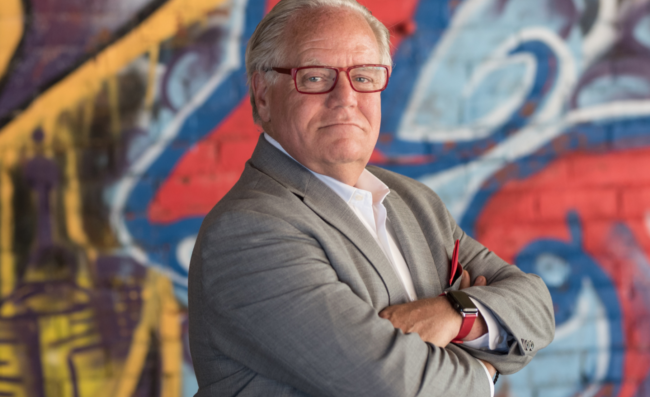

Jim Marous (00:11):
What if the biggest myth in banking is that customers don't need branches anymore? Because every time Bank of America opens a new financial center, digital sales net market jump 50%. Physical presence isn't competing with digital at Bank of America, it's actually accelerating.
Jim Marous (00:32):
Now, Bank of America is putting $750 million behind a bet that the rest of the industry walked away from maybe too soon. Opening 150 financial centers across 60 markets by 2027 at more than $5 million per location. Bold? Yes. Contradictory? Maybe.
Jim Marous (00:55):
But the timing suggests something deeper. After shrinking from 6,000 branches to about 3,700, they now believe the future isn't fewer branches, it's actually smarter ones. These next generation financial centers aren't transaction factories. They're advisory hubs staffed by 12,000 relationship bankers designed to anchor communities and handle the conversations digital can't, or at least not yet.
Jim Marous (01:25):
My guest today is Will Smayda, who's leading this transformation. He'll explain why Bank of America is expanding while others retreat, and what these new financial centers reveal about how clients actually want to bank. So, here's the question we all need to wrestle with: is this the future of the branch or is it the most expensive contradiction in banking?
Jim Marous (01:50):
So, Will, before we dive in, can you give our audience a sense of your role and what you oversee day-to-day, as well as where you came from within the Bank of America organization?
Will Smayda (02:00):
Yeah. And Jim, I'd like to have you on our payroll to lay out our strategy for the financial center channel, I appreciate the setup.
Will Smayda (02:10):
I'm responsible for our 3,650 financial centers across the United States and the 25,000 or so folks that operate inside of them. It's a wonderful role interacting with our 70 million clients all the time, and our 25,000 employees all the time.
Will Smayda (02:29):
I've been with Bank of America for 25 years. I started my career at Merrill Lynch in New York and New Jersey. Grew up working with individuals, helping folks plan for the future, helping folks start up businesses and then prepare for their eventual passing it down. So, wealth management for a long, long time.
Will Smayda (02:50):
And as you know, during the financial crisis, Bank of America acquired Merrill Lynch. And we had this model at Merrill Lynch that we brought into our consumer financial centers where we could give financial advice to our consumer and specifically, our preferred customers who have these long-term planning, long-term savings and wealth management needs.
Will Smayda (03:14):
So, it's been a wonderful bringing together of two massive businesses, and now, they come to life every day in our financial centers.
Jim Marous (03:22):
So, it's interesting, I referenced the fact that you've cut your branch background. It hasn't been too long ago that you had 6,000 branches and you're now down to 3,700 or so, but now you're investing heavily to add 150 more by 2027.
Jim Marous (03:39):
What's changed? What justifies the spending of that $5 million per location when conventional wisdom, or at least the wisdom that some of the executives in the financial service industry have, say branches are dying? And what signal in the data convince you that the timing is right to expand?
Will Smayda (03:58):
Yeah, thanks for the question. I think you start with client behavior. Maybe that's obvious, but in the time period leading up to COVID, our customers, because our digital bank had come on so strong and adoption was really, really positive, 80% plus of our customers are actively digital with us.
Will Smayda (04:23):
So, what happened in that time period was a massive shift of everyday banking transactions, moving money, making deposits — a lot of that service or cash activity drastically shifted from in the branches. I mean, you've been in financial centers like me where there used to be 15 tellers on a window because that's how many customers we would see on the regular.
Jim Marous (04:47):
Remember it all too well.
Will Smayda (04:48):
Much of that shifted digital.
Jim Marous (04:48):
Yep.
Will Smayda (04:50):
So, bringing the financial centers down from 6,000 to 3,700 made sense. And then we've noticed a different shift both during COVID and then coming out of COVID, which is our core customers seeking advice. That traffic is not going away. In fact, we're getting smarter at driving more of our customers in.
Will Smayda (05:13):
But here's the trick; when they want to meet with us with an appointment and to solve a real business need, not to cash a check or collect a deposit. So, what we do in our centers has changed pretty dramatically. And for that reason, we're very optimistic about the role of the financial centers in our communities.
Will Smayda (05:33):
You mentioned a couple of statistics when you opened. We know, for example, that when we have financial centers local to a customer, first of all, there’re digital behavior changes, they're far more likely to engage with it digitally whether or not they visit the branch.
Will Smayda (05:50):
And we also know that the financial center footprint gives us another, let's say, north of a hundred million dollars in out-of-home marketing. So, people drive by our centers every day in every town in America, and they see an affirmation that we're invested in their community.
Will Smayda (06:09):
So, for us, the shift is that financial centers play a huge role in our future, as well as the people inside. What we do will change, and then digital is not slowing down. So, we have billions of interactions in a given year digitally. So, they play off of one another. And at the end of the day, you got to be exactly where the customer wants you to be.
Will Smayda (06:30):
If they want to be digital, you got to be there with the best bank. And then if they want to come in and meet with a specialist or a banker, you got to be available for them locally too.
Jim Marous (06:38):
So, you referenced the lift in digital sales, in digital engagement. A 50% lift is no small amount, but what actually is happening there, and how do you quantify the new ROI from the standpoint of physical and digital lift?
Jim Marous (06:57):
And one other question around the digital: does the lift persist over time or is it simply a launch effect where a branch comes in and you see the customers, they're just becoming stronger customers overall?
Jim Marous (07:10):
Because we have a branch that just opened up within a mile of our house, and it's interesting because a Chase standalone branch opened up two years ago. Your Bank of America brand opened up across the street, down the street a little bit. And it's crazy for me because we see it from the bigger banks. What's the math here?
Will Smayda (07:31):
Sure. There's a couple of things that I think set us up for success. One is that our franchise, like some other large banks, you think about you've got a retail consumer business, you've got a commercial banking opportunity and business, and then you've got a wealth management business.
Will Smayda (07:50):
So, there are markets where Merrill Lynch, for example, has been in business for 75 years that we don't have a consumer operation. And make no mistake, our strategy is to make sure in Wichita, Kansas, which for some reason I always reference, or Denver, where we opened 10 years ago — we want to be able to serve individuals (so think consumer retail) our wealth clients, and then our commercial clients as well.
Will Smayda (08:19):
So, we know a whole lot about a city well before we enter. And because of the nature of our bank, Denver's a great example — there were over 200,000 consumer clients already in Denver before we ever opened a branch 10 years ago.
Will Smayda (08:36):
Why? Because people transition. They go to school from California into Colorado and remain. They vacation there and eventually, get a second home. So, when we make real estate decisions, financial center builds, we know quite a bit about the community. And often, we're just joining the rest of Bank of America in a community. And frankly, it's what people ask for.
Jim Marous (09:01):
So, it's really a differentiator. And it's interesting, we talked about a little bit before the podcast started that as opposed to simply the easy math, what I'm going to call the ability to say, "I have this many customers that are already in this marketplace, I have them within this range. I have this many Merrill customers that aren't being served." That's the easy math.
Jim Marous (09:21):
What's interesting, and something that I've been watching quite a bit, is with the introduction of Erica, which how many years ago was it? 15 maybe? I mean, it's a long time ago.
Will Smayda (09:32):
Yeah.
Jim Marous (09:33):
You have these listening tools.
Will Smayda (09:35):
It's evolved.
Jim Marous (09:36):
Yeah. You have these listing tools. So, you not only know where the customers are, but you really understand a lot about what questions are they asking? How much are they asking things that may be better served with a physical relationship, a visual touch and feel type person?
Jim Marous (09:54):
You now have 12,000 relationship bankers that have replaced traditional tellers. What's the business case for that staffing model, and how do you train somebody from processing checks to providing financial advice? Are these different people when you do it at scale?
Will Smayda (10:13):
Yeah. I'm going to answer your first question first, and then I'll jump to the bankers. Your first question was a little bit about how the math works on a financial center. And I think if you were to back up a decade, each financial center for us and the competition had its own P&L, our own set of domiciled clients, let's call it 6,000 clients in the neighborhood attached to the branch, whether or not they banked there.
Will Smayda (10:41):
And if they banked across multiple branches, we would domicile them accordingly. But we kept the P&L really specific, the cost of the center and the real estate, the people, the tech, and any of the incidentals, the marketing. And you would manage each of the 6,000 financial centers based on the individual P&L and frankly, make individual P&L decisions, cull the least performing, invest in the highest performing. I alluded to it.
Will Smayda (11:08):
I think we do it a little bit differently now. We look at a community, we figure out about how much we'd like to spend digitally for that community, and then the set of financial centers. And then we look at the P&L of the customer, and we can attribute it across wealth, across digital, across the financial center.
Will Smayda (11:27):
And then of course, we still have our contact centers available for our customers that actually want to use the phone. So, we think about the financial center as part of a larger web of service as opposed to how you might think of a franchise.
Will Smayda (11:43):
You build one, you make it accretive, then you expand to two, then to four, then to eight. We think about the neighborhood, the million clients in Houston, and do we need 100 or 117 financial centers to serve the community? And then of course, as everyone does, you look at growth.
Will Smayda (12:02):
Some communities shrink, some grow as jobs move, as people want to be warmer and leave Pittsburgh and want to be in Dallas, for example. So, you have to be aware of the demographics. But that's how we think about the P&L a little differently, and frankly, how you look at lower cost to serve digital, higher cost to serve in center, and you make that work.
Will Smayda (12:27):
The bankers, what a great story for the 12,000. The relationship banker role for us is the entry level role to Bank of America. And if you've been tracking, you know that we've raised the minimum wage across the country to $25 an hour, which means it's a livable wage in most of the country. And then we take special steps in high-cost areas like Seattle, New York, San Francisco.
Will Smayda (12:52):
But we have a livable wage. And instead of coming in as a traditional teller of 20 years ago where you are trained with your cash box and your set of transactions, you are now trained as what we call a relationship banker, which means you can absolutely do that. Cashiering is still there and some of our customers absolutely still need it and want it.
Will Smayda (13:12):
We also train them on the full digital platform. So, they are experts in Erica, they're experts in our digital bank, and they can toggle with a customer between what we have available digitally and what we have there at the financial center.
Will Smayda (13:24):
And then so here's the fun part. If the client exhibits a need, they decide that this is the right time to open a family banking account for their 12-year-old because their 12-year-old's starting to do chores and it's time to start learning about money — the relationship banker of today will sit down in an office and open the account.
Will Smayda (13:43):
The teller of the past would've raised their hand and waited for somebody to come over and escort the customer in an office and then continue the conversation. So, our relationship bankers of today perform many tasks, which makes the job like there's longevity. That job will exist in 10 years, and much easier to jump from the relationship banker job to a traditional, what we call senior banker, or over time, a business banker, a lending officer, a financial advisor. So, we love it. Now, is it a harder learning curve?
Will Smayda (14:21):
It is. We recruit all over. Obviously, we recruit out of universities and junior colleges, we recruit in the retail industry. We meet lots of amazing people in hospitality who are looking for a path. The difference (and I grew up working in restaurants before banking and investing) in retail maybe in hospitality versus banking is that we can offer you a future and not bad benefits along the way.
Will Smayda (14:50):
So, we have a great blend of folks and we bring a few thousand people a year in, and you blend, you got college kids, you got folks out of the military, junior college, and then you got pure retail, and that makes for a really powerful kind of entry level group of bankers for us.
Jim Marous (15:06):
Well, it's interesting because we've talked about on previous podcasts, the fact that many tellers, many entry level people, many customer service people today are scared to death of AI. Well, as you're building the relationship model, it really isn't going to be impacted by AI. And on top of that, they have the ability to get a broker license.
Jim Marous (15:29):
They have the ability to move up the food chain, so you will. And in a way that makes it so that it makes sense and isn't something a fear for all. You make it very clear that, oh, by the way, the digital's already here. You're not going to be replaced by digital because we've already kind of got it in every area.
Jim Marous (15:48):
And in fact, probably the most digital financial institution in the country. And the reality is you still believe on the relationship side. And it's interesting because I go back to when I was a management trainee right out of university, I was going to move up as part of the plan, but the reality was we were hiring tellers based on how good they were with customers, and if they were in the retail business, if they were in the hospitality business, but yet we fired them for not balancing, and we fired them not for not selling.
Jim Marous (16:19):
In fact, we never tracked it very well. But basically, it was a transactional firing as opposed to working with them because they had the key that the customer cared about, which was they were a great person.
Jim Marous (16:34):
And it was mentioned in a lot of press releases recently that you had 10 million appointments in 2024, up from basically zero just five years ago. What percentage of that branch traffic is now scheduled walk-in, or scheduled versus walk-in, and does that reduce the need for the square footage? In other words, how does that relate to the actual real estate?
Will Smayda (16:58):
Yeah. So, a couple of things; 10 million appointments offered and we're just scratching the surface. We have north of a hundred million interactions a year in our financial centers, so we have nothing but upside.
Will Smayda (17:11):
And as you know, when you visit your doctor, your attorney, your accountant, or anyone else that you do business with via appointment, it allows a couple of things to happen. One, you're setting expectations for the client. You're going to have a 2:00 PM Eastern time meeting and we will be ready for you at 2:00.
Will Smayda (17:30):
It's not like, let me get in on my lunch break and pray there's not a line. We are ready for you. On the banker side, we have time to prepare. And as you know, preparing to meet with a client changes everything about the interaction. We know where they started, we know what their financial needs might be.
Will Smayda (17:49):
We know exactly what transaction they want to accomplish. We also know the three things that they're not taking advantage of that we can talk to them about. So, appointments, no doubt are our future. And so, we'll do a couple of things.
Will Smayda (18:03):
You mentioned AI. One of the things AI will do for us, it'll do two things for us in the near term. The first thing it'll do is it'll make an agent (think banker) smarter and faster. It will not replace the agent. What it will do is — and we have a tool called Erica Assist, which helps our employee base access information faster, make sure that we're getting to the right and correct policies and procedures, which means we make less mistakes, and we get clients in and out on a service transaction faster. That's happening.
Will Smayda (18:34):
So, think about ... well, the way we think about AI is enabling our bankers to be faster, smarter, and deliver better experiences. That's like right now. And then what we do in our digital environment is today, the tools by which we engage with clients proactively in the digital space, they're rudimentary.
Will Smayda (18:55):
Customer clicks in a particular page that might be about credit cards. It's a small clue that maybe we should offer them, I don't know, an appointment with a banker in their neighborhood, but it's rudimentary. We'll get to a point where we're far more intelligent. And by the way, less intrusive.
Will Smayda (19:11):
When you're intelligent about your clients, you don't have to ping them all the time. We know our customers want less marketing, they want less phone calls, they want less mail in their mailbox. So, if you can be really precise about offering a service to a customer right when they need it, one; and two, we can quickly scan the entire neighborhood or city, find out which bankers have appointments today at 3:00 PM, or if it doesn't work for the customer, we can do tomorrow at 2:00.
Will Smayda (19:39):
So, in the future, a customer in the middle of a, let's say a credit card shopping experience can decide, I'm going to go straight through and keep researching credit cards here digitally. I'm also going to buy digitally. I don't want hands. Or I'm confused, I don't understand this fine print, or I already have a card. How does this compare? Will someone help me? Sure.
Will Smayda (20:01):
If you want to go in a branch, we'll give you the 2:00 appointment. If you want to chat, we can do that right now. Or if you want to get on the phone and actually talk to ... the people still talk to one another on the phone, I'm told. But if you want to do that, we'll give a phone agent to you.
Will Smayda (20:15):
So, I think AI gets us moving in that direction. I don't think it's something to fear. And what we talk to our bankers about is it's something to embrace. Everybody's starting to use it in their personal lives to get better information and make that better decisions. We just say, think about that in the environment of banking: faster, smarter, more correct answers so we can serve people quickly.
Jim Marous (20:39):
So, if I made an appointment and I've been using Erica for different types of things, does the branch person before I walk in, are they going to have information about my interactions with other channels that you have within the banking system?
Will Smayda (20:55):
Yes, in limited cases today, soon to be far better. Think about the CRM world, the way in which we weave together our relationships with clients, Salesforce as an example. AI's coming to the CRM community as well in a big way. And so, as your CRM, your software that helps you know your client gets better, we'll know more and more about a customer, which again, what does it mean?
Will Smayda (21:25):
It means we're not going to offer you the same thing that you were just offered online and declined. That's a terrible interaction. We should know better. So, that's what CRM gets us at. Don't ask the same question. It frustrates me when I talk to my phone company, for example, I don't want to be offered the same phone when I've said no to it three times. Why don't you look at my contract, for example, or look at my data usage and help me solve a different problem? That's kind of where we want to go.
Jim Marous (21:54):
So, actually, the transfer of information is going to get more and more refined. But again, looking at your organization versus many others, the ability to do the phone interaction is something everybody has, but an Erica type dynamic and knowing what was I doing with Erica maybe right before I scheduled the appointment. So, you get an idea of what the stumbling block was.
Jim Marous (22:18):
But I think another thing that I think about when I look at my traditional financial institution I use today, is your walk-ins now where I get frustrated if I'm asking for just something really simple to be transacted. Your relationship bankers are more skilled to be able to do some of the things, as you mentioned, open an account, for instance.
Jim Marous (22:40):
If I'm just going, "God, I don't want to go back home and then schedule an appointment for something I thought in my mind is relatively easy," they're in a position to do things for walk-ins, correct?
Will Smayda (22:51):
We sure are, and minimize handoffs. So, your relationship banker, like I mentioned a little while ago, first thing we do is check a customer in, because once you bring him into the digital environment, it alerts the whole center that Will Smayda has entered the financial center, and we all can know Mr. Smayda is here.
Will Smayda (23:12):
And by the way, he visited three weeks ago and then before that, three months, and we'll know a little bit about what he came in for. That's the first thing we do. Then the banker, a relationship banker in the lobby with their iPad, that's how we do business these days, can do one of many things.
Will Smayda (23:30):
If it's a simple cash transaction between the iPad and the ATM, no waiting. Set up the withdrawal, and because we do it at the iPad, instead of a customer doing it themselves, we have a stronger security protocol, which means they can access more cash than normal from an ATM because we verify them, it's safer.
Will Smayda (23:50):
Get them cash, get them safely on their way for the day. That's a thing we can do. We can set an appointment if they want to discuss buying a home. So, we find out when our lending professional is available, set the appointment. Or if they have a simple need, I've got Addison, my daughter, she's 12, she needs a checking account, can't we just do that?
Will Smayda (24:12):
Yes, we can do that right now. And I think I could probably do it in about 14 minutes. And so, we can do the account opening. And by the way, if you want to come back in three weeks and I can show you the digital banking tools or the Better Money Habits program that you can work with your kid on, we can do that in three weeks if you're busy today.
Will Smayda (24:30):
So, yeah, the idea is that in the past, you would go in, someone would be running the lobby, would take your information and put you on a couch, and then make you wait for whatever you're trying to do, or you try to bypass and go straight to your teller because you know what you're going to get with your teller and you almost don't mind waiting.
Will Smayda (24:49):
Today, the idea is we can help you almost with everything at the front door and get you moving quickly. So, that allows us, by the way, to see more customers in a given day. And instead of have 10 million appointments in a given year, we could have 30, which is where we want to go.
Jim Marous (25:08):
Your hub and spoke model moves staff between locations based on demand, which sounds great in my thought, but how does that work in practice if I'm losing my personal connection with a banker that is at my location A, but they're at location B?
Will Smayda (25:25):
Yep, it's a great question. And something we've been testing for the last few years and are pretty excited about. Like I mentioned before, historically, you would think about each branch as an individual franchise with individual customers, and individual staffing model. Truth is customers don't bank with us that way.
Will Smayda (25:47):
They'll have a primary, probably near their home. They may have a secondary near their business or where they work. They might even have a tertiary where they visit family or friends or where they have hobbies or where they have a vacation home.
Will Smayda (26:01):
So, customers use our network broadly. Most use more than one center. So, what we've begun — and dynamic staffing is the language we use, and what it does is begin to weave together a neighborhood. So, we'll look at, on average, four financial centers that serve a neighborhood. They maybe serve 30,000 people, 20,000 people.
Will Smayda (26:24):
And what we use … again, language we use inside the bank, never with our customers — but we use hub and spoke. And so, a hub will be closest to businesses where there's heavy cash transactions, lots of activity, safe box, night drop, lots of kind of traditional banking needs. And we'll staff it up. We'll have longer hours of operation, and we try to really centralize a lot of that work.
Will Smayda (26:51):
And then our spokes, they still do all the same things, but at far lower volumes and we'll staff up our specialists in the spokes, so more of an appointment environment. And so, they all work together. And so, what you have now is 40% of our staff will work in their primary center, and then may drive eight miles on a Saturday to work at the hub. And turns out they see some of the customers back and forth.
Will Smayda (27:18):
But the idea is instead of having eight people in one franchise knowing their very near neighborhood, what you get is 40 people serving Plano, a city of Plano with 150,000 customers. And we think that actually delivers efficiency, better experiences.
Will Smayda (27:38):
And when you centralize certain activities, especially time intensive, cash intensive activities, when you centralize it to a hub, you can move it much more efficiently; happier clients, shorter wait times. And then our spokes are available via appointments. Still have tellers or relationship bankers, still have walk-in customers, but far fewer. So, the environment changes. That dynamic helps us quite a bit.
Jim Marous (28:06):
Let's take a short break here and recognize the sponsor of this podcast.
[Music Playing]
Jim Marous (28:13):
So, there's been a lot of news around your flagship branch at Bryant Park. It's certainly a statement piece, and this can't be replicated in the neighborhood of my Brecksville location in Ohio, but what are you testing there, and what are you testing elsewhere?
Jim Marous (28:31):
Because it's not one of these set and forget it. They're not cookie cutters, but you're continually evolving. What have you been testing and what have you learned about modern branch design, not just from Bryant Park, but other places that you maybe didn't expect?
Will Smayda (28:44):
Yeah, yeah. A couple of things. You're right, we're not going to put a bespoke 30-foot rotating flags cape sculpture in our Pittsburgh Financial Center. What that allows us to do, and if you know that community, Bryant Park a little bit, it's such a high traffic community. We sponsor the park in the winter, One Bryant Park, which is our New York headquarters is there. So, it's almost an ecosystem.
Will Smayda (29:14):
And so, the center is a key part of it, and it's the place where customers can get out of the storm. And we use words like experience serenity in the middle of Bryant Park, two blocks off of 42nd Street and Times Square. That works for that community. So, here are the elements that are universal.
Will Smayda (29:35):
In all of our financial centers, any local element that you can bring in, for example, a wall, which we've done in hundreds of centers, which shows the local community park, for example, or a partnership with the thousands, one of the thousands of nonprofits we work with locally.
Will Smayda (29:56):
It adds some emotional and local connection. ArtLifting, which is a program you might be familiar with, but we buy art in bulk from an organization called ArtLifting, which employs artists who have experienced hardship in their lives, whether that's homelessness, whether that's mental illness or addiction.
Will Smayda (30:20):
We buy art, we display it in our centers. It is often local and always works to support the community. And it makes a more interesting and deeper conversation point than the credit card marketing that's sitting on the exterior of the center. And then there's some other things we can do.
Will Smayda (30:41):
We've got 250 electrify America charging stations that fit in communities where there's a huge pull for that. You know those neighborhoods or those communities where you see the Teslas everywhere, we can provide something for people who are using electric vehicles. FIFA, we announced that we are one of the key sponsors of the FIFA World Cup that's coming in June.
Will Smayda (31:08):
That is universal. And I live in Texas, which as you know, is a big American football community, but there are millions of Texans who also experience and have a lot of excitement around soccer. You can't have access to the games in all 97 markets all around the community, but what you can do is activate and you can find the communities that care.
Will Smayda (31:34):
So, I think that the idea is if you can understand your community locally and you can bring small elements — we have digital boards in all of our centers where we'll talk about the amount of hours we volunteered in Cleveland last year and the five major recipients … I could keep going, but you get the idea.
Will Smayda (31:53):
So, the idea is we try really hard to connect locally, and local is very specific. We have market presidents in 97 communities, and they help us kind of understand the local culture and needs. And that shows up in a lot of our financial centers, most of them.
Jim Marous (32:10):
The transition from physical to digital is not stopping. In fact, nearly 80% of your customers use digital channels, yet you're expanding the physical presence. Okay, use your crystal ball, and I sometimes would say 10 years, but I'm going to take it down to five years.
Jim Marous (32:27):
What do you see the optimal density being or changing? And do you see the role even evolving more between what you do in physical versus digital?
Will Smayda (32:40):
Yep. The short answer is in medium term, we are flat-ish on our financial center account over the medium term, think three to five years. That does not mean we won't spend a billion dollars a year opening new centers in new communities or existing. And also, the word we use is de-densifying. If you have six financial centers in a neighborhood and you can absolutely well serve your community with five, that's how we reinvest in these new communities.
Will Smayda (33:12):
So, we think we have flat-ish financial center counts, but like I said at the beginning of our conversation, historically, we were reliant on walk-in traffic to dictate the count of our centers. In a future world where we go from 10 million to 30 million appointments, plus the financials of an individual financial center change dramatically.
Will Smayda (33:38):
And especially if there's a lot of transparency and freedom between the contact centers where we serve hundreds of millions of customers, digital, billions of interactions, and the financial center. The financial centers are no longer beholden, which is like the curse of retail. It's like the curse of big boxes, which is you're beholden to customers to walk in or you're out of business.
Will Smayda (34:03):
We are divorcing ourselves from that model and the centers are available for the community whether or not they buy from us digitally, or they buy from us over the phone, or they walk in from time to time. When you think about a model that way, we're in pretty good shape.
Jim Marous (34:21):
Just for anybody who's listening, we have a lot of podcasts that we've done on brand strategy and they're all over the place with regard to where organizations are going, where they're transforming, where they're testing. There's all kinds of tests going on at all times. So, I really suggest people listen to some of the things. We have some end cards on the podcast that we reference.
Jim Marous (34:42):
But well, we're going to go a step in a different direction because I think in the discussion we've had, it's very clear that the Merrill Lynch combination between Bank of America and Merrill Lynch, which you referenced, I can't believe it's been 20 years, but it has been.
Jim Marous (34:59):
I mean, it's crazy that the whole financial service industry was in a major state of upheaval in 2007, I think it was 2008. And it hit both Merrill Lynch as well as it hit the financial institution that I worked for, National City Bank. That's where they became part of PNC. And I can't believe it's been so long ago.
Jim Marous (35:18):
But when you look at, let's say I put you in charge of a smaller financial institution where you don't have the investment services arm, you don't have a major penetration of credit cards that could be a base for making that physical introduction, what is different between the way you would look at an organization that's significantly smaller, which is most of the financial institutions versus what you can accomplish at Bank of America?
Jim Marous (35:44):
In other words, you may use the same metrics, but you build the same model you're building at Bank of America, or what changes?
Will Smayda (35:53):
Yeah, I think our scale gives us an opportunity to build, let's just start with technology in a way that it serves 70 or 75 million customers, which is our medium-term goal, to grow from 70 to 75 million customers. When you are building for a client base of that scale, you can build bigger, you can build safer, and the economics work.
Will Smayda (36:24):
So, I feel for regional banks or smaller community banks — they'll be building for their thousands of customers or tens of thousands of customers and try to get scale financially, it's difficult. So, what happens, everything that you're seeing right now, which is a significant uptick in M&A in financial services, you can see, especially in the part of the country where you are, Jim, you can see medium size institutions coming together for scale, and I think you'll continue to see that.
Will Smayda (37:01):
We have a, I don't know, 40-year headstart with the largest consumer bank in the United States and by a large margin. And so, we don't spend a lot of time focused on number two and number three and number four. We spend an inordinate amount of time figuring out where our 70 million customers, plus the five we want to acquire, where they're going to go next.
Will Smayda (37:27):
So, we try. The only way to stay competitive is to move faster than your competition, and at exactly the right speed for your customers where all of us in banking have stubbed our foot, where we've gone too fast, and tried to go too digital and customers revolt, they still actually like their financial advisor and they want to speak to a banker from time to time.
Will Smayda (37:48):
So, you can't go too fast because then you turn your clients off. If you go too slow, someone else will start talking to your customers. So, I think we've got a tremendous advantage. That's digital.
Will Smayda (38:00):
And then in the financial center channel (our CEO talks about this), if you were to try to replicate a 3,700 financial center environment, maybe in a decade, maybe you could replicate that. I'm not sure who you'd have invest in you to build at that scale.
Will Smayda (38:21):
So, the act of both in the 80s, and again, during the financial crisis of legacy banks coming together and all of us getting on one platform, one culture, one set of simple solutions that are transparent, we've done all that. That's in our history. That's old news. Now, we're just focusing on being the best bank.
Will Smayda (38:39):
So, we can think of five mergers that are happening right now, either have been announced or in the middle of closing. That creates disruption and in some cases, pain for customers. Got to move platforms, in some cases, got to get a new debit card, maybe get a new checking account number. Think about all the auto debits that have to be rearranged. It's painful.
Jim Marous (39:01):
It’s just on the technology side. You also have the dynamic of the blending of cultures. That can't be taken lightly because at the end of the day, I may not care about what happens behind the scenes. I don't care about the core or anything like that as a customer, unless it impacts me negatively. The reality is, is my organization going to change who they were in a negative way.
Jim Marous (39:24):
The one thing that stays the same, and you've referenced quite a bit with Bank of America, is you have to know what you're shooting for. You have to understand your North Star. Are you blending the digital plus physical, and how are you doing that to the benefit of the customer? And maybe your best play as a small institution is actually to cut back branches and become just optimally efficient and customer-oriented in the digital world.
Jim Marous (39:52):
It's going to be hard to serve two masters without scale. I mean, we've seen it. We've seen the organizations that actually are, yes, they've cut back, but they're adding branches in new places is the top three to five organizations. Many of the other ones may be merging, but then they cut back.
Jim Marous (40:11):
I mean, we can't forget the fact that you went from 6,000 to 3,700. I mean, that was no small cutback, but you're not redoing those things.
Will Smayda (40:22):
Yeah. And by the way, at the same time, which is fascinating, we more than doubled our deposit base. At the same time we brought those centers down, which means customers are starting to value other things. And we've mentioned it a bunch, a digital bank.
Will Smayda (40:38):
And then there are intangibles, there are many. We talk a lot about loyalty and trust. When you have a couple hundred-year-old bank and a hundred-year-old wealth management business, you've had generations to earn trust and we take that so seriously and we've seen it in the media with other institutions, it's so easy to lose that trust.
Will Smayda (41:03):
So, building brand loyalty and trust is a many decade, and one might even argue, generational endeavor. You can't replicate that, not digitally or with bricks and mortar. That, you build overtime, and that's an advantage we intend to keep.
Jim Marous (41:21):
Well, great to have you on the show. Thank you to your team for reaching out and just referencing some of the changes you've taken. We've also written articles in The Financial Brand, have interviewed you and interviewed Holly, the head of the consumer banking organization around the way Bank of America is handling its big size.
Jim Marous (41:41):
I mean, it sounds easy. At the end of the day, you still have the major issues of culture and being able to make everybody pull the same direction, being able to support. I mean, it hasn't been an easy, even-steven rule in integrating Merrill Lynch. I mean, there are stories to be told there that aren't as rosy as they seem right now.
Jim Marous (42:05):
But the reality was without the wealth management side, without the Merrill Lynch side, some of this change of physical versus digital probably wouldn't work out the same way from a financial standpoint, from a return on investment standpoint.
Jim Marous (42:20):
So, it's all those dynamics pulling the same direction. And again, if nothing else, it proves that not every organization can go down the same path. We're not saying that branches are dead or branches are alive. It's going to be different, depends on what your North Star is and what you have as a base to start with.
Jim Marous (42:40):
But I think it does say this is an evolution that has to be reviewed on an ongoing basis. I'm sure you're not sitting in your office going, "Oh geez, I've solved the whole branch transformation process."
[Music Playing]
Jim Marous (42:51):
No, you're looking at everything because consumers, if nothing else, are fickle and they're changing the way they're interacting. And as you referenced earlier in the podcast, AI is going to change this dynamic quite a bit, and we're really not totally sure what that's going to do. You know the direction of what you want to do.
Jim Marous (43:09):
I still think with Erica, you're in the most advantageous position of any financial institution as to knowing what the consumer's going to expect and what they'll accept, which is different. They expect you to know them, understand them, and reward them, but at the end of the day, they don't expect perfection.
Jim Marous (43:26):
And I think that's going to be a stumbling block for many organizations to say, "I don't want to make that wrong recommendation." You already know it with Erica, you've made wrong recommendations, but it's not been the death knell. It's just been a learning experience, and it shows that you're human, which is what people want at the end of the day.
Jim Marous (43:43):
Will, thank you so much. I really appreciate your time.
Will Smayda (43:47):
It's been a pleasure. I look forward to talking to you again, Jim. Have a great day.
Jim Marous (43:52):
Thanks for listening to Banking Transformed, the winner of three international awards for podcast excellence. If you enjoy what we're doing, we would really enjoy a positive review. Also, check out my recent articles in The Financial Brand, the research we're doing for the Digital Bank Report.
Jim Marous (44:08):
This has a production of Evergreen Podcasts, a special thank you to our senior producer, Leah Haslage; audio engineer, Chris Fafalias, and video producer, Will Pritts.
Hide TranscriptRecent Episodes
View AllThe SoFi Cross-Buy Engine Fuels Amazing Growth
Banking TransformedThe Best Banking Innovation Doesn't Need a Huge Budget
Banking TransformedArming Front-Line Bankers with AI Tools That Win Clients
Banking TransformedWhy Banks Miss Human Customer Moments"Most banks know far more about their customers than the customer ever feels. In this Banking Insight Video, I look at why relationship banking often feels programmed, from the quarterly business banker check-in that g
Banking TransformedYou May Also Like



Hear More From Us!
Subscribe Today and get the newest Evergreen content delivered straight to your inbox!
Advertising & Sponsorship
Interested in sponsoring or running an ad for your business on an Evergreen Podcast? Contact us to get pricing and availability.