
Banking Transformed
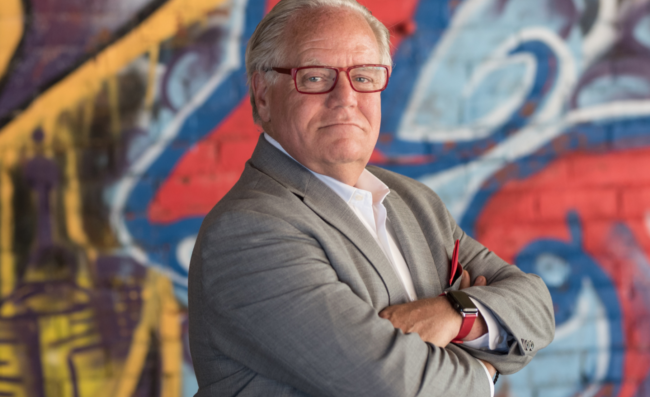
Hosted by top 5 banking and fintech influencer, Jim Marous, Banking Transformed highlights the challenges facing the banking industry. Featuring some of the top minds in business, this podcast explores how financial institutions can prepare for the future of banking.


Winning the Digital Banking Race Across Generations
Silent attrition may be the biggest threat most banks aren’t talking about — and the stakes are rising fast.
The 2025 Generational Trends in Digital Banking study reveals that only 56% of digital banking consumers expect to maintain their current relationship over the next year, while the rest are quietly drifting toward stagnation or disengagement.
This continuous erosion of loyalty comes just as the U.S. faces one of the largest intergenerational wealth transfers in history. Thirty-seven percent of Americans expect an inheritance in the next two decades, but if banks can’t hold on to younger, digital-first customers now, those assets — and the loyalty — will walk out the door.
Joining me today on the Banking Transformed podcast are two powerhouse experts – Jason Dorsey, President of The Center for Generational Kinetics, and Allison Cerra, Chief Marketing Officer at Alkami Technologies. They will unpack the findings from the 2025 Generational Trends in Digital Banking Study and share what banks must do now to stop the quiet exodus before it’s too late.
Remember, silent attrition doesn’t announce itself — it’s a quiet leak of loyalty, share of wallet, and future opportunity that can be devastating if ignored.
This Episode of Banking Transformed is Sponsored by Alkami
Alkami Technology, Inc. is a leading cloud-based digital banking solutions provider for financial institutions in the United States that enables clients to grow confidently, adapt quickly, and build thriving digital communities. Alkami helps clients transform through retail and business banking, digital account opening, payment security, and data analytics and marketing solutions. To learn more, visit www.alkami.com.
Where to Listen
Find us in your favorite podcast app.

Jim Marous (00:12):
Silent attrition might be the biggest threat most banks aren't talking about, and the stakes are really rising fast.
Jim Marous (00:20):
The 2025 Generational Trends in Digital Banking Study reveals that only 56% of digital banking consumers expect to maintain their current relationship the way it is today over the next year, while the rest are quietly drifting towards stagnation, disengagement, or a complete movement to another platform.
Jim Marous (00:44):
This continuous erosion of loyalty comes just as the U.S. faces one of the largest intergenerational wealth transfers in history. 37% of Americans expect an inheritance in the next two decades. But if banks can't hold on to younger, digital-first consumers now, those assets and their respective loyalty will walk out the door.
Jim Marous (01:08):
Joining me today are two powerhouse experts, Jason Dorsey, President of the Center for Generational Kinetics, and Allison Cerra, the Chief Marketing Officer at Alkami Technologies.
Jim Marous (01:20):
They will unpack the findings from the 2025 Generational Trends in Digital Banking Study, and share what banks must do now to stop the quiet exodus before it’s too late. Remember, silent attrition doesn't announce itself. It's a quiet leak of loyalty that most of us are not tracking. It's talking about share wallets as well as the future opportunity that can be devastated if ignored.
Jim Marous (01:48):
First of all, it seems like just yesterday, we were at Co:lab 2025 in Nashville. It also seems like it's been forever since we've been together to talk strategies. So, before we start, can you both introduce yourselves for those who may not be familiar with who you are? Allison, we'll start with you.
Allison Cerra (02:06):
Well, hello Jim. Hello, Jason. It's like I feel like I've got two of the smartest friends I know sitting around the table with me. So, I think this might go a little off-roading for the audience, but it's going to be fun. So, I'm Allison, I'm the CMO of Alkami. Been with Alkami now for almost five years, and if you don't know Alkami, we are a digital banking provider here in the U.S.
Allison Cerra (02:27):
We have roughly 20 million end users on our platform, and we service the most exemplary regional and community financial institutions in this country. Several hundred of them, as a matter of fact, who trust us every day to provide the digital banking software that they rely on to engage with their account members and account holders. So, so excited to be here with both of you today.
Jason Dorsey (02:50):
Wow, I don't even want to follow Allison, that was amazing.
Allison Cerra (02:55):
Love you, Jason.
Jason Dorsey (02:57):
Love you too. Thanks, Jim, for having me back. It's always a pleasure to be with you and an honor to get to be with Allison. I'm Jason Dorsey, I run the Center for Generational Kinetics. We're a research and strategy firm based in Austin, Texas, with clients around the world.
Jason Dorsey (03:10):
And our mission and what I'm passionate about is separating myth from truth about generations so leaders can make smarter decisions. And that's what we love to do, and why we're so excited to get to collaborate on this wonderful research that we'll talk about today.
Jim Marous (03:23):
So, Allison, let's start with you. The study found that 84% of consumers value digital experiences when choosing a provider, and half are willing to switch for something better. And that may be because there's so little differentiation in the marketplace, and so few organizations are actually talking to me or you, or our kids.
Jim Marous (03:45):
So, what made this the right time for Alkami and CGK to partner on research about generational trends in digital banking?
Allison Cerra (03:55):
Well, so we've been doing this study now with Jason for three years. So, this is our third time doing this study. And the first thing I would say is, we get the privilege of partnering with extraordinary research and insights that Jason brings to the table.
Allison Cerra (04:10):
So, 3+ years ago, when we decided we wanted to look at this generational shift that was happening because we were getting questions from our clientele about how this was happening and what would be the impact to their business.
Allison Cerra (04:23):
There was no question we were doing this research with Jason. Because Jason's practice, not only has he forgotten more about generations than I certainly will ever know in my lifetime, but he has a sound and exemplary research methodology, and Jason can talk more about it. But 1500 digital banking consumers are represented in this study across generations, from Gen Z to Baby Boomers.
Allison Cerra (04:49):
And his team does an extraordinary job of making sure that it's statistically relevant and that we can take these findings and actually do something with them. So, the time is always ongoing for this study. This has become a flagship study for Alkami. It is because of the work that Jason and his team do, and it is consistently one of the favorite crowd pleasers of downloads, engagement.
Allison Cerra (05:12):
Any webinar we always get, “Can we get more of Jason? Can we see more of his insights?” So, this will be a perennial study, but to answer your question, yes, 80+% say digital banking is essential and very important, 50% say they would switch for a better digital banking experience.
Allison Cerra (05:26):
But here's the other thing, Jim, in the stat, 30% already have switched per their own self-reported data. So, this is a major opportunity to redefine what primacy is in this digital age. And Jason and team, we work together closely to figure out what are the nuances beneath these numbers, and what is really happening when we talk now about a primary financial institution?
Allison Cerra (05:47):
This notion of silent attrition is really – the other side of that coin is being the preferred financial institution, realizing I will always have multiple financial providers around me, but how do I now get that coveted primary seat? And that definition is definitely changing as we see the digital shift.
Jim Marous (06:08):
It's so interesting, Allison, we've talked about this before. It used to be that the primary financial relationship with the checking account. Well, that's even changed. In many cases, it's credit, maybe it's Venmo, maybe it's a FinTech. And the reality, maybe there's nobody that really owns the relationship at all. And what's interesting is all these dynamics change so quickly.
Jim Marous (06:28):
Jason, I remember seeing you at Co:lab and you were so excited to share the research with the audience around the things that you thought were surprising. So, the reports showed that Millennials and Gen Z are far more likely to view digital experiences as essential. 37 and 33%, respectively.
Jim Marous (06:47):
While Gen X prioritizes planning services, and Boomers bring legacy relations, but even they are fragmenting the relations. What are the biggest generational differences that you uncovered, and where do their expectations actually align?
Jason Dorsey (07:06):
Yeah, it's a great question. To me, what jumps out (having spent a lot of time going through the data) is that the importance of the digital experience or digital banking has never been greater and continues to increase. We just see people placing a real premium on the total experience from beginning to end, this is really critical.
Jason Dorsey (07:27):
And so, now, we're seeing people not only placing importance on it, but those expectations continue to increase. So, that's something that we're seeing. There's a difference between importance and expectations. We're seeing both now go up.
Jason Dorsey (07:39):
But we also see when it comes to, for example, Gen X and planning, that's interesting because they're entering this life phase where planning becomes really important. They're often pulled in different directions, taking care of kids, also helping older parents, trying to figure out can they ever get to retirement.
Jason Dorsey (07:53):
And then you've got Boomers who still know people's names, see what I did there? But the key is (and this is something I always like to say up front) every generation is equally important. Every generation, it's critical for us to understand them. And there'll be differences, like we just highlighted, but also similarities.
Jason Dorsey (08:10):
They want fast experiences, they want it personalized to them. They want to be able to do a ton of it on their preferred mobile device. They want to know it's safe and secure, all these sorts of things. Those cut across every generation.
Jason Dorsey (08:21):
But where you start to see these differences that are important ones are around the how, and some of those very specific expectations. And I know we'll talk about more of this hopefully today, but it's really exciting to see both the differences and the similarities.
Jim Marous (08:33):
Well, it's interesting, Jason. I would imagine you do so many different studies looking at different parts of generational differences, but I'm sure more than ever, they're more aligned than they ever have been. I mean, my experience expectations are not driven by another bank. They're driven by the experience I get in an Uber.
Jim Marous (08:52):
The experience I get with my Amazon relationship, the experience I have with my Netflix and Hulu accounts that all of a sudden, a lot more people (not just the people that are ingrained in the industry like myself) are saying, “Why can't you do this? You have more information, and you can't do what my TV does in recommending what I should do next?”
Jim Marous (09:11):
Allison, you love research. I've known you for so long, I've known you for five years. And you love digging behind the curtain and digging even deeper into the weeds to find out what else you can find. What surprised you about the research? So, you go, “Wow, I kind of thought that would happen, but that caught me off guard.”
Allison Cerra (09:33):
I think there were a few things that are surprising in this research study. One is (and we talk about this) great generational wealth and work transfer. So, the first thing that was a pleasant surprise … because Jim, I'm going to cite other research that informs Jason's study that we do. So, Jason obviously has the command over the consumer landscape and what are consumer’s asking for.
Allison Cerra (09:58):
We also do research through a partner you know well, Jim, as our thought partner through Emerald Research Group. And they go after financial institutions and ask different kinds of questions. So, in the body of research going to financial institutions (regional and community FIs, to be very specific), we ask the question, “Hey, do you think that the generational wealth transfer will dramatically change the way you do business?” And we get over 60% who say, “Yes, they do.”
Allison Cerra (10:24):
But then we also ask the question, “Do you think it's being overhyped by the media?” And we get well over 50% who say, “Yes, it is.” And so, I think one of the surprises from this (and it was just a pleasant surprise), we see these numbers thrown around, like the $84 trillion wealth transfer happening, $16 trillion of which is going to happen in the next decade or so. Those are big numbers.
Allison Cerra (10:47):
And then as you start to unpack them further, these are the publicly cited numbers from other sources. You find that like less than 10% is transferring between everyday Americans. So, one of the questions we had with Jason's study is, “Is it real?”
Allison Cerra (11:01):
Do you see some congruence between how many Boomers expect to bestow wealth or bequeath wealth that would be meaningful enough to change someone's life? And the number of Millennials who expect to receive said wealth to change their life?
Allison Cerra (11:17):
And when we started this, Jason, I know you and I were like, “Don't know, we might have a lot of Millennials that are going to be disappointed.” And the surprise for me anyway (Jason, you can sound off) was like, no, there's actually a pretty high degree of congruence between those Boomers who expect to leave wealth significant enough to change lives, and Millennials who expect to receive that wealth.
Allison Cerra (11:38):
So, the wealth transfer, while we see hyperbolic numbers like 84 trillion or 16 trillion, and you go, “Yeah, but 90% of that goes between the Uber elite to the Uber elite,” that still leaves 10% of a very big number that is transferring hands. And in Jason's study, what is a very good statistical view of the full U.S. population of digital banking consumers, it's pretty comparable. So, I would say that was a pleasant surprise.
Allison Cerra (12:06):
And then the second pleasant surprise that I'll say, we also have the great generational work transfer, which Jason speaks about quite a bit. And that is knowing that last year was the first time that Gen Zs outnumbered Boomers in the labor population.
Allison Cerra (12:20):
And then again, this other study that we do among regional and community FIs, when we say, “Is that going to dramatically change the way you do business? The fact that you have more Gen Zs working for you now than you have Baby Boomers?” Again, well over 60% of them say, “That's definitely going to change the way we do business.”
Allison Cerra (12:38):
And here's the good news, per Jason's research, 60% of Gen Zs say all else being equal, they would seriously consider a career with a regional or community financial institution. And Jason, I'll let you tell them the reasons why about just how this being one of the most financially literate (that I know you've talked about) generations we've seen in some time and the masterclass they can get from working for a regional or community FI that's willing to show them how to manage those finances more judiciously.
Jason Dorsey (13:06):
That one's amazing.
Allison Cerra (13:08):
Oh, yeah, I love it.
Jim Marous (13:09):
Jason, you brought that up at the conference that some of these younger generations, you think they're just going to continually replicate the way the generation before them looked at their age. And you actually found that there's a lot of people that want that personal interaction even though they're very highly digital.
Jim Marous (13:28):
That they're looking for people that can transfer that insight, that can help them more than even generations before them, maybe because they're more frightened because of what's going on in the marketplace right now, correct? I may get your study a little wrong, I apologize, but I want to make sure I have that right.
Jason Dorsey (13:44):
No, it's directionally spot on, yeah. So, what we see is that there's a few converging trends in our broader research that really show up in the research we did with Allison and her team, which is, Gen Z is entering the workforce later than previous generations. They're getting their driver's license later. All of these things are happening later, they're graduating from college/university later, they're moving out later.
Jason Dorsey (14:04):
So, if you think about that sort of typical 24, 25-year-old, they might have 2, 3, 4 years less accumulated work experience compared to others at the same age. So, when they enter things like working in banking (as Allison pointed out), they get huge value from development of those personal financial skills (huge value), but also from the soft skills, which is one of the things I think is most surprising.
Jason Dorsey (14:28):
Gen Z can be fantastic communicators. Yes, they can send a thousand text messages while looking at their phone and doing something else, but they can be really, really good communicators. The trick is we have to take the time to show them what good communication looks like to us.
Jason Dorsey (14:42):
And I think this, to me, is one of the key things that is overlooked. So much of the conversation that you hear just broadly in the industry is about sort of adapting to Gen Z.
Jason Dorsey (14:51):
And what I love about this study is we don't just look at Gen Z because it's not all about Gen Z, it's actually about generational context. I'm looking at Gen Z, looking at Millennials, looking at Gen X, I’m looking at Boomers.
Jason Dorsey (15:02):
Because all of these RCFIs, they need to be able to understand and adapt to each of those as they go through different life stages, and as they're looking for different types of products and services.
Jason Dorsey (15:12):
In fact, it shows up, and I'm sure we'll talk about it, but the idea of much better product recommendations is so incredibly important. One thing that we know turns off every generation is a one-size-fits-all approach.
Allison Cerra (15:27):
We can all agree. That's where all generations agree.
Jason Dorsey (15:31):
And I think that's important when we look at the future focus of this study. We're not just looking at Gen Z as a trend driver (which they are), but we're looking at every generation impacting those trends. This wealth transfer, people talk about it all the time. But it's really not well understood.
Jason Dorsey (15:47):
This is one of the first studies I've ever seen that actually looks at those potentially providing the wealth and those receiving the wealth. Normally, it's one or the other, and you get really disjointed looks at that.
Jason Dorsey (15:58):
So, it's need to see that there was more alignment, and maybe that means people are having more candid conversations, Boomers are living longer, they're having to deal with finances. Maybe they're sharing that with their Millennials, who they think now can handle it.
Jason Dorsey (16:09):
There's a lot of interesting nuances in this study that Allison and I have had the chance to dig into and tons more in the white paper, of course. But it's really exciting to see how important banking is across generations, how important personal finance is.
Jason Dorsey (16:25):
And to me, if that was one thing, that would be it. Gen Z cares deeply about money, and we shouldn't be afraid to talk about it because otherwise, they're going to TikTok and getting all their advice.
Jim Marous (16:32):
That was what I was going to just get into, is that even since the study was done, the level of people that are integrating generative AI, ChatGPT, all these other tools in their daily lives makes it so one of our competitors for engagement may be a competitor that's not even a bank or anything else, but it's just the availability of information that can possibly answer the questions close enough to what the person who's asking them wants that is more easily accessible than from their financial institutions.
Jim Marous (17:08):
So, we're competing against other organizations and non-organizations as far as being that ally in the business world. So, the report defines primacy less by where someone opened their account and more by where they're actually doing their digital activity.
Jim Marous (17:26):
We referenced at the beginning of the podcast how has this definition evolved across generations, and what does it mean for competing with mega banks, neobanks, or maybe even non-banks? Start with you, Allison.
Allison Cerra (17:41):
Well, it's something that's very highly consistent in the study because having done the study now three years, we have questions that by design, Jason and team, and we look at and say, "These questions become part of the longitudinal trend of the study."
Allison Cerra (17:55):
Which is one of the many special things about this study, is that we can actually compare the results over time, to your point. And when we ask this question about primacy and let the consumer tell us — and we're talking from a list, again, Jason's team is amazing. We're talking like 15 options on this list.
Allison Cerra (18:12):
This isn't just about a debit card or a checking account or a direct deposit, but also a deposit, where I keep the most money, where I have the longest tenure with the bank or the credit union, where I have my biggest loan.
Allison Cerra (18:24):
There are 15 of these where I do my most at the branch, where I use the ATMs the most. It's a complete, fulsome list. And one of those options is where I do most of my digital banking, including, obviously, both online and mobile banking.
Allison Cerra (18:40):
And what we have seen consistently year after year is that primacy is determined by where they do the most digital banking. In fact, it is statistically tied with where they use their debit card the most.
Allison Cerra (18:54):
So, tied to the checking account, but both of those neck and neck in the way of how a consumer now sees a digital banking consumer's relevancy and how they think about their primary financial institution.
Allison Cerra (19:06):
And that is again a trend that has remained highly consistent, as is the trend of if they were shopping around and looking for a new financial provider, how important is the digital banking experience? This has been a landmark part of the study.
Allison Cerra (19:20):
80+% consistently say it is either their number one priority or extremely important to them. So, we see that trend over time, and it's just getting tougher. So, I think that the point of this is we've never prophesied the death of the branch here at Alkami. We believe there is a place for branches, just like we believe there's a place for call centers, and yes, there is the place for digital.
Allison Cerra (19:45):
But what we would say is that in this omnichannel world in which we live and where consumers expect to interact with us, increasingly, the frequency of the digital engagement is actually what determines the primacy of that financial institution in the consumer's mind.
Jim Marous (20:01):
It's also a way to segment. I think we've been saying this for years, that it may not be as important as to what they hold, but how they engage. Because my son, he's 27-years-old, he uses his credit card for everything and pays it off. And the reason he does that is for rewards.
Jim Marous (20:23):
On the other hand, when you're talking about the debit side of the equation, it's all Venmo. He has not written a check in his life, doesn't intend to, has no reason. And the reality is, I'm planning-
Jason Dorsey (20:36):
I want to know what a check is, tell me more, Jim.
Jim Marous (20:38):
Yeah, exactly. And it's interesting also because I look at my own activity, and my primary transaction is done … almost everything's done on the phone. I don't carry cash, I don't carry cards, I don't carry anything. In fact, I find places where I can simply use my digital wallet.
Jim Marous (20:56):
Okay, so, what does that mean for banking across the board? Jason, as far as other studies you're doing and looking at the generational ways, how are you seeing people changing their engagement patterns? Or maybe more importantly, where do you see this heading in the next, let's say, two years? I didn't even go any further than that right now.
Jason Dorsey (21:15):
Yeah, I mean, obviously, we're at a really critical moment with AI. And I think when we work with Gen Z and we study Gen Z through the lens of AI along with other generations, the younger you are, the more open to it you are, the more trusting of it you are, the more you expect it in everything. The older you are, the less you feel those positive things.
Jason Dorsey (21:36):
Now, this is what nobody talks about, which I love. If we take the phrase "AI" out and we talk about the problems or the solutions that's offered, we just don't use AI, every generation wants it. So, it's the emotion and connection.
Jason Dorsey (21:51):
What we think is going to happen over the next two to three years, based on our broader work, is you're going to see AI stop being talked about as if it's something separate. Like AI is at the table next to us. But it will just be in everything.
Jason Dorsey (22:04):
And we're seeing this already with Netflix, we go through a whole long list of different things. ChatGPT has completely changed how people think about AI. So, over the next two to three years, I think right now, there's a lot of early advantages driven by it and a lot of excitement.
Jason Dorsey (22:17):
It'll be really interesting to see what happens two or three years from now when it's just in everything and a part of everything. One change we're seeing that's pretty cool, Gen Z is so dependent on AI-driven answers that it's changed where they go for information and how they trust it.
Jason Dorsey (22:35):
So, they'll just go and type in a question and get an answer, and also unfortunately assume that that's true without maybe further diligence. But this is happening, and so it's really changing their entire relationship with technology.
Jason Dorsey (22:47):
I like to think about it like, the way older generations found things such as Amazon, and suddenly, if Amazon can do it, why can't we do it? And you would expect that everywhere. Younger generations are starting from a totally different place, and they expect that everywhere, and it's going to have a massive … I was just with a group where they're struggling on their interviews because now people are getting the answers to the interview questions on a separate screen and then repeating them back.
Jason Dorsey (23:11):
And so, now they can't even tell what's real. So, it's going to be so exciting. I also think (if I can add one more) as you see further digitization of banking, if you look at Alkami and what's going ahead, I think you're going to see Gen Z end up more informed about money than prior generations at the same age.
Jason Dorsey (23:30):
They're going to have access to more information, they're going to have access to better planning, all kinds of things that will help them hopefully make it easier to reach their goals. And we know in our studies, Gen Z cares deeply about financial stability. They don't think they're going to be able to retire, they want to have emergency savings accounts.
Jason Dorsey (23:48):
It's a very different persona that we're seeing right now, really come of age. And it's incredibly exciting for our work. And I think for all the RCFIs that get excited about it, it's going to be huge. And I think for those who are like, “It's another 22-year-old,” they're going to be left behind. That's my very opinionated answer, I'm probably not supposed to have one of those. I feel very strongly about that.
Jim Marous (24:06):
No, it's great news. Jason, there's a lot of research around relevancy. That only 38% of the customers say that the recommendations have become more relevant compared to 53% with their recommendations or relevancy of neobanks. There's a big gap here, and it's only going to get bigger.
Jim Marous (24:26):
And my concern is financial institutions continue to look at AI first as a way to automate and make back-office efficiency better. Banks traditionally say, “There's no risk in cutting costs. It's “risky” if we reach out and try to make recommendations that are not perfect.”
Jim Marous (24:45):
I think it's about transfer of value. If you can make things relevant and valuable and make it so you're actually showing empathy (for lack of a better word), I think that's going to work across all industries. Is that what you're seeing also, Jason?
Jason Dorsey (25:02):
Yeah, and it's funny, you said something that I preach a lot about, and that is, unless you make bad recommendations, it's hard to know what good recommendations are. So, when you're right – if we're trying to build models to learn, if we're trying to get feedback, we're going to miss sometimes.
Jason Dorsey (25:17):
And I speak in banking all the time for all these boards and all these events. I'm like, “Sometimes you're not going to get it completely right, and that is okay. It's better to keep making progress with low-risk tests than it is to sit back and wait till everything is suddenly answered because by then, you've already lost, you're so far behind, you're not going to be able to catch up.”
Jason Dorsey (25:36):
And so, I do think that deeper and deeper personalization, better recommendations, and faster learning on those recommendations, which is not something that comes easy for certain groups, that is really critical. And it's a different mindset. It's a different thinking about “risk.”
Jason Dorsey (25:51):
We're not talking about financial or fiduciary or this other kind of lending risk. We're talking about just offering something that's a better fit, finding out it's not the right one, but let me find something else. And finding out that is, and now I can actually better serve you.
Allison Cerra (26:05):
And I want to pile onto it because we looked at this … because this is a longitudinal study, we do this every year. And last year, we did a whole panel on AI as part of this study and as part of the FI study that we do with our other partner, Emerald.
Allison Cerra (26:18):
And when we ask what use cases are FIs (regional and community FIs) experimenting with or deploying AI on, and what use cases consumers are most comfortable with AI being used — we see again a high degree of alignment on a couple of those use cases where both say, “I'm either experimenting and want to use it,” and consumers say, “I expect you to.”
Allison Cerra (26:39):
One is customer service, one is fraud and security mitigation. So, we're aligned there. Where we don't have alignment where consumers are saying, “More AI here,” this would be a use case I'm very interested in, unless RCFIs are saying, “I'm interested in doing that,” is on financial wellness as a use case.
Allison Cerra (26:58):
It goes to this notion of be that advisor in the room that's always nudging me to do the right things, to develop healthy financial habits, help me be a better steward of my own future and of my finances, help me live a richer, more productive life. That's where consumers are saying, “Yes, please, AI, let's do that.”
Allison Cerra (27:17):
And where we see a departure where fewer RCFIs by comparison are saying, “We're actually interested in that and experimenting.” So, that's another opportunity potentially for RCFIs to think about AI (to Jason's point) on how can you start to move from the more back-office, or even the front-office, but customer service things into more of the financial wellness world of really allowing AI to be that silent guide, that silent financial partner helping your account holders live more productive, fruitful lives.
Jim Marous (27:49):
And it's interesting because today's world of AI is not about spitting out answers. In a lot of cases, it's building a dialogue, it can answer questions. And it's interesting because I was looking through the report again.
Jim Marous (28:03):
The word "relevancy" was interesting because I was at that three, four years ago when consumers said that what they're getting is not relevant, and it may have been that it was just plain wrong.
Jim Marous (28:15):
I'm getting a thought now that with people understanding how much information can be processed and how perfect the relationships and the engagement can be, relevancy may be a whole new level where they're saying, “I want you to talk about things other than what looks like what you want to sell.”
Jim Marous (28:32):
They're more aware of what selling is versus advising or actually taking the information and providing that. I know when I get emails from my financial institutions, I am more surprised by what they don't connect with me on.
Jim Marous (28:44):
And in a lot of cases, the typical consumer is too. They're saying, “I just gave you all the information to get a mortgage, and you're asking me for the same stuff for a car I want to buy now?” They don't get why it's so difficult, and neobanks really have that part of it nailed.
Jim Marous (29:01):
And I think we have to look at the definitions of everything and understand how the consumers’ use of AI tools and their elevation of what their expectations are, are going off the chart.
Jim Marous (29:13):
It's interesting, Allison, I don't know if we've gone through a podcast yet where we haven't mentioned this at some point, but as much as we talk about all this engagement in AI and all this, consumers also want it to be simple to bank.
Jim Marous (29:30):
Only 56% of consumers expect to maintain the exact same relationship with their FI over the next year, yet 40% expect it to grow. Okay, so, how's that going to happen? We need a frictionless five-minute account opening process.
Allison Cerra (29:48):
I know Jim, you have been on the five-minute account opening experience since you and I met, and you’ve always been spot on on that.
Jim Marous (29:55):
And the problem is even when organizations want to do it, they get in their own way. They fall back on legacy processes and say, “We're going to require a driver's license.” You know the list, Allison. Are you seeing any movement? We've written about it in eight different reports. We talk about how important this is.
Jim Marous (30:17):
I just had a guest on from the platform Debbie that says everything they've shown makes it so that if it's not the process itself, it's the acceptance of people that are not exactly fond to normal queue, they'll actually turn down new accounts. What are you seeing at Alkami right now with the financial institutions? Are they making progress?
Allison Cerra (30:40):
I would say the short answer is there's more interest that we're seeing here. I would tell you longer answer; when we fielded this study with Jason, this little regulation called open banking was still very much on the docket.
Allison Cerra (30:54):
And so, one of the questions we wanted to ask, because honestly, the fact that so many account customers are willing to switch is opportunistic for RCFIs, because most of those deposits are held at the mega banks.
Allison Cerra (31:11):
So, open banking would've been an opportunity to play offense and actually appeal to customers and members that were looking to move financial institutions. And so, one of the questions that we added in homage to you, Jim, is would you be willing to switch your primary financial institution if another offered you a five-minute account opening experience?
Allison Cerra (31:36):
Jason, you know the number better than me, but it was like 40%, give or take, that said they'd be willing to switch for the five-minute. And where the tension has always been for the RCFIs is they're looking at us now going, “Well, I would love to do that, but I also have this little thing called fraud. And I have that being a pretty primary vector of account opening where fraudsters and bad actors like to come in through. So, help me have the best of both.”
Allison Cerra (32:02):
All those documentary procedures and all the background checks are in service to making sure we don't open up the floodgates to bad actors who would love nothing more.
Allison Cerra (32:12):
So, it's finding the tension and finding the right balance of a five-minute account opening experience to be highly in acquisitive, and to address the needs of a consumer that's now living in an Uber and an Amazon economy, while at the same time, mitigating the bad actors by doing a lot of the background automated fraud checks that one might argue could be even safer and sounder than somebody at a branch just trying to make sure that the driver's license I'm looking at is actually real, and is actually represented by the person standing in front of me.
Allison Cerra (32:41):
And we at Alkami, obviously, with our acquisition of MANTL a few months ago, we bought the best in the market for a reason. And we have demonstrated with the customers we serve through the Mantle onboarding and account opening solution that, “Yes, you can have your cake and eat it too.”
Allison Cerra (32:56):
You can have a five-minute account opening experience, which is super best-in-class, three times faster than the industry average, based on our research, minimum. And at the same time, mitigate fraud while doing so. And that's something we're pretty passionate about over here.
Jim Marous (33:12):
So, it's not just fast at being able to open something, but we've referenced it in many different ways already in this podcast. It's being able to anticipate what consumers want next. Jason, I'm going to start with you. Because again, you have so many different research studies that you're doing.
Jim Marous (33:30):
Are we seeing this desire for anticipatory engagement being across industries that consumers expected while they go on an Uber, when they go onto Amazon, when they go onto TV? Are we getting to the mode where anything that can save us time and think on our behalf, we're open to right now across generations? Or is it very generationally based?
Jason Dorsey (33:55):
The way that we look at it across industries, younger generations (Gen Z and Millennials in particular) are very into anticipatory solutions in general. They're used to the idea, whether that's recommendations, whether that's, “Hey, this is a problem that could be coming up.” All of these sorts of things, you're seeing more openness.
Jason Dorsey (34:13):
What's interesting is older generations, as soon as they find it valuable, get super on board. And that's the gap that I think people miss. So, like, “Oh, this is only for this, that.” I'm like, “No.” Once people are introduced, they go, “Of course, I want that.”
Jason Dorsey (34:29):
I think about it like Waze or Google Maps, as soon as you start using, you're like, “I will never do this another way again. It's going to show me different routes. It's going to change as I go. It's going to help me to get there faster and safer,” all of these things.
Jason Dorsey (34:41):
What's interesting to me, because we do so many different types of studies, what I get excited about is this anticipatory view is not just in financial products or services, but we see it in consumer goods, in recommendations from movies and entertainment.
Jason Dorsey (34:57):
And even in (this one not talked about a lot) enterprise learning, where people want to be able to develop their skills within an organization, and they're leaning more on technology to help them figure out what to do next because they don't necessarily know.
Jason Dorsey (35:09):
And I think the more that people get comfortable with well-informed, hopefully well-intentioned recommendations and so forth, being able to help them make better decisions, and then you create the feedback loop that it works, the more people are just going to expect it everywhere.
Jason Dorsey (35:22):
And I would argue if you don't have that anticipatory mindset, you are going to be left behind because other people will naturally innovate faster and better, and ironically, with less risk, which is really exciting for what we do.
Jim Marous (35:33):
Well, it's got to be exciting to be in your shoes. I, many times, think of how cool it's to continually look at how generations differ. And you brought up really well that the older generations, while they may say, “No, I don't want to do that,” there were so many things in banking during COVID that people said, “I don't even understand what you're doing.”
Jim Marous (35:52):
I remember being with my sister at a lacrosse game, and she gave me some money in a check that she owed me. I took a picture at the lacrosse game, gave her the check back, and said, “Okay, we're good.” And that just blew her away.
Jim Marous (36:03):
But now, everything she does is in that mode. Or mobile payments in a restaurant, where it was only at a few restaurants where you'd be able to take your phone and not have to give it up to the waiter to take it to their machine. And now, almost everybody has a mobile device to do that. This is all resonating. I think that as consumers get it and they realize that it's simple, safer, this can build trust.
Jim Marous (36:29):
Allison, from your perspective, your event Co:lab, in Nashville, the term “anticipatory banking” became key. It became the top of the pinnacle on what we're looking to do. What does this look like compared to what we've done in the past? And just as importantly, how do we get there?
Allison Cerra (36:52):
So, it's such a good question because first of all, we take no credit for coining the term “anticipatory banking,” that goes to one of our remarkable clients, Broadview FCU, Michael Castellana, who's the CEO there, was talking to our CEO, Alex Shootman one day, and we were talking about this vision of how do you get to a place of really personalization that matters? And Michael said, “I think it's about anticipatory banking.” And Alex went, “By golly, that's it.”
Allison Cerra (37:19):
And so, what we talk about, how is that different than personalization is we talk a lot about personalization. Personalization is knowing what I might want and serving it up to me in a way that's pleasing to me.
Allison Cerra (37:30):
So, we talk about it in either the aesthetic or understanding my needs before I have to express them to you. Anticipatory banking goes one step further, and it is knowing my needs before I even know their conscious thoughts or needs.
Allison Cerra (37:44):
So, it's expressing the latent needs that are happening beneath the surface, where you really are serving me with the utmost of personalization that matters, to be able to meet me where I am and actually help me get somewhere I didn't know I needed to be. And that is very different than personalization, which is important but not the top tier of what we're talking about.
Allison Cerra (38:06):
And what does it take to get there? What we submit here our ideology is it takes an evolution from digital banking. Digital banking has historically been a service channel whereby you could check your account balance, move money, remotely deposit a check.
Allison Cerra (38:21):
So, it was always seen (or largely seen) as this service component for the FI to reduce costs and to become more efficient in meeting customers and members where they are. But as we've been talking about, there's a lot of products and services that institutions offer to their customers and members that it's a sales platform as well, and this is your primary channel now. It defines primacy.
Allison Cerra (38:45):
So, we talk about the digital sales and service platform, which is comprised of, obviously, digital banking (that primary channel), but flanked on either end by onboarding and account opening that can give you that five-minute, frictionless, secure experience to onboard those accounts.
Allison Cerra (39:01):
As well as flanked on the other side by a highly intelligent data platform that is omnichannel, that is constantly reading both the engagement signals in the digital banking channel, as well as the transactional signals on the core. To understand what your customers and members want and to feed the continuous loop of onboarding them, engaging them, and growing them through these three pillars of this digital sales and service platform. So, that's what we would suggest the remedy is.
Allison Cerra (39:28):
We're very passionate about this because we think this is really where you start to close the gap in a very meaningful way from RCFIs who right now aren't seen as offering as personalized these recommendations as relevant, to actually beating and exceeding what neobanks and mega banks are delivering.
Allison Cerra (39:46):
And literally tapping into what RCFIs have been known for since their beginning, since their inception, which is fundamentally understanding their customers and their members. Intimately knowing them, having that first-name basis. Now, we want to do that with the digital signals at scale and across all their channels, not just their traditional analog channels.
Jim Marous (40:06):
Wow, I just love the way you guys-
Jason Dorsey (40:09):
I love how you said that, Allison, I want this transcript.
Jim Marous (40:13):
I know my team, if I was to take this mic and drop it right then, I'd be in trouble, so I can't do that. But I think what's interesting as you think about that and the way we have to interact with our consumers at any industry and anything we're doing right now, that being an anticipatory partner builds trust, it builds loyalty, it does stem that silent attrition.
Jim Marous (40:38):
And in the banking world, we used to look and say, “How resilient is this financial institution?” We used to talk about it from a risk and fraud perspective, but now more than ever, I believe resilience also includes things such as being able to deliver anticipatory solutions, personalization at a level that consumers realize it's more than just my name on an envelope.
Jim Marous (41:01):
Again, across industries. I can look at every relationship I have, and how important it is now more than ever for the organization I work with to truly know me, understand me, and then reward me, not with points, but with knowing me and looking out for my best interest.
Jim Marous (41:21):
Jason, is this what you're seeing across the board, that this really is the foundation for trust, and it can potentially stem attrition to alternative providers, again, no matter what industry?
Jason Dorsey (41:33):
Yeah. I think that as long as the organizations really continue to focus on quality and meeting their customer needs, that it's really critical to be able to deliver these better recommendations and just understand what they want next as opposed to what they just want now, and I think that's a shift.
Jason Dorsey (41:51):
Candidly (because I've worked with so many execs and boards across industries, this week I was in healthcare, we were in retail, agriculture, all kinds of stuff), the challenge, honestly, Jim (or candidly), is that the technology, like we just heard from MANTL and Alkami, the technology exists, people can use it right now.
Jason Dorsey (42:11):
The gap or the barrier is the people’s side. And getting the leaders on board to be able to champion this or get out of the way depending on the situation, and then really, let their teams implement this. Because once they do, you tend to create that momentum.
Jason Dorsey (42:24):
So, the hurdles I see, or the barrier, at least right now, is mostly people leadership willingness to take risk, and so forth, more so than the technology. And so, for anybody listening, if you're wondering how do you unlock this, it really starts with you. It really starts with the people side, getting them rallied around the vision, and then being able to implement that technology.
Jim Marous (42:44):
Boy, I'll tell you what, that's interesting to hear it from somebody outside banking that says it's not necessarily the technology, it's the leadership. Because that is what we're seeing in the banking world. We have a lot, a lot, millions of successful bankers out there that have built a career, a legacy, on what they've done in the past and how they continue to do it.
Jim Marous (43:08):
It's how do you break down those thought patterns to say, “I'm going to leverage those, but I've got to open the door to what's out there. I've got to be open to democratizing data and insights across the industry or organization so that my call center, so my teller, so my head tellers, so my calling officer all have access to data that they've never had access to before, so they can be more anticipatory.”
Jim Marous (43:34):
I think you're right, it is the people. And again, it's not just banking. No banker can rest easy thinking that, “Okay, we'll get to this,” when every other industry is against the same timeline and doing something about it, and they’re keeping up at night.
Jim Marous (43:52):
I'm going to ask you both this. Jason, from your perspective, what finding should retail banking and credit union executives think about that would keep them up at night? What insights will challenge existing assumptions that you say, “Man, if you take anything away from this, this is something that you really, really have to worry about?”
Jason Dorsey (44:14):
Yeah, the stat that sticks with me the most (because I tend to work with execs and boards) is that people are still not feeling that they're getting the recommendations that they want. That this is a really critical time, and, in many cases, neobanks seem to be serving that better.
Jason Dorsey (44:31):
That distance between those (the RCFIs and the neobanks), it's not going to close on its own. If anything, it's going to widen if we don't take the actions that we need right now, and I think this is one that's not solved with inertia, honestly.
Jason Dorsey (44:46):
It is really solved by people saying, “We are going to address this. We are going to make this a priority. We're going to make not just the monetary investment, that's usually the easier part, but we're going to make the cultural investment that we're going to get behind closing this gap, delivering this exceptional experience being that anticipatory organization, really seeking to serve.”
Jason Dorsey (45:05):
And that's just a different mindset, and I think it's critical (when you heard me speak at Co:lab), it's not even optional if you want to stay in business long term. I'll say that and probably going to get in trouble, but it's really not optional going forward.
Jim Marous (45:17):
I think you're right. Allison, do you want to add to that? What would keep you up at night if you were a banker right now?
Allison Cerra (45:24):
I would say that I would look at it differently. What would get me energized to get up in the morning is to know that the technology that we've historically looked at as three different functional silos between onboarding and account opening, digital banking and data and marketing, when you unite the connective tissue between those silos, you unlock brand new account holder experiences that even mega banks and neobanks have a hard time replicating.
Allison Cerra (45:50):
And once we start to shift that mindset, that gives you energy to get up in the morning rather than fear what's going to happen tomorrow if you don't take action. So, I would tell you, find a provider who's as committed as Alkami and I would tell you, reach out to us.
Allison Cerra (46:04):
Because this is absolutely what we are 100% committed behind, is taking away the seams between these functional technologies. And since we started this talk about silent attrition, now you’ve unlocked brand new use cases, one around silent attrition, I could give you 10, but let's just talk the silent attrition.
Allison Cerra (46:21):
It’s using your data and marketing engine to identify signals of attrition in your base, such as someone doing test deposit outflows to another financial institution. Intercepting that with an offer through your digital banking engine that says, “Did you know you qualify for a high-yield CD right now, pre-approved, we can move money?”
Allison Cerra (46:41):
And then using onboarding and account opening to give them a five-minute or less account opening experience where they can move their money there instead. That's how you start to think of this holistically where it becomes less theoretical and abstract of technology for technology's sake, and absolutely about changing fundamentally the relationship between institutions and their account holders and the way these institutions fundamentally compete and do business in the future.
Jim Marous (47:06):
It gets down to, you get to just do it, we can't wait any longer. The marketplace is moving so fast, the intelligence of the consumers’ marking so much, they're setting their expectations so high that we've got to do this. We can't keep on looking for this. And as you said, Allison, we have a plethora of partners out there, including both of your organizations that can help us get there.
[Music playing]
Jim Marous (47:31):
It doesn't matter if you're a very small credit union in the middle of a rural area or if you’re a mid-size organization or even if you’re the biggest organization. The difference between organization is not that vast, but the power to get there, the ability to get there with the partnerships that we have is immense.
Jim Marous (47:47):
We can get into this forever, but to hear more about anticipatory banking, the risk of silent attrition, the importance of five-minute account opening, and most importantly, the differences of generations in banking, couple things; number one, download the study, it's in the host notes at the bottom of the episode notes. As well, watch or listen to our other interviews with the executives of Alkami as they dig deeper into these topics.
Jim Marous (48:20):
Thanks for listening to Banking Transformed, the winner of three international awards for podcast excellence. If you enjoy what we're doing, we would really enjoy a positive review. Also, check out my recent articles in The Financial Brand, the research we’re doing for the Digital Banking Report.
Jim Marous (48:36):
This has been a production of Evergreen Podcasts. A special thank you to our senior producer, Leah Haslage; audio engineer, Chris Fafalios, and video producer, Will Pritts.
Jim Marous (48:46):
If you want to hear more about the Debbie platform and how you can boost engagement by rewarding positive credit behavior, check out our previous discussions with the Debbie founders on the Banking Transformed Podcast.
Recent Episodes
View AllThe SoFi Cross-Buy Engine Fuels Amazing Growth
Banking TransformedThe Best Banking Innovation Doesn't Need a Huge Budget
Banking TransformedArming Front-Line Bankers with AI Tools That Win Clients
Banking TransformedWhy Banks Miss Human Customer Moments"Most banks know far more about their customers than the customer ever feels. In this Banking Insight Video, I look at why relationship banking often feels programmed, from the quarterly business banker check-in that g
Banking TransformedYou May Also Like



Hear More From Us!
Subscribe Today and get the newest Evergreen content delivered straight to your inbox!
Advertising & Sponsorship
Interested in sponsoring or running an ad for your business on an Evergreen Podcast? Contact us to get pricing and availability.